

You wake up, put your feet on the floor, and feel that tight pull across your heels. You look down and see dry lines that keep coming back no matter how much lotion you pour on. That is the exact problem CCCP foot cream promises to fix.
This review shows you what the cream really contains, how fast it works, who it suits, and who should walk away. You also get three solid alternatives if this jar is not the right fit for your feet. Let us dig into the details.
In a Nutshell
- What it is: CCCP foot cream is the name shoppers use for the CCS Foot Care Cream, a pharmacy staple from Australia that comes in a 5.9 fl oz jar.
- Main strength: The formula pairs urea with lactic acid and glycerin, so it softens rough skin while it pulls water into the skin barrier.
- How fast it works: Most people notice softer skin within three to five days, while deep heel cracks often need three to four weeks of daily use.
- Best for: Dry soles, thick calluses, rough heels and anyone who wants a simple cream they can use every day.
- Main downside: The eucalyptus leaf oil and limonene can bother very sensitive skin or people with fragrance allergies.
- Price: Around $9.80 on Amazon for the 5.9 fl oz jar, which works out to a few cents per use.
- Rating check: It holds 4.7 stars from more than 11,000 Amazon ratings and carries the Amazon’s Choice badge, so buyer feedback is strong.
- Bottom line: It is a low risk buy for mild to moderate dryness, and it earns its place in a basic foot care routine.
What Is CCCP Foot Cream
CCCP foot cream is the search term many shoppers type when they hunt for the CCS Foot Care Cream. CCS is an Australian brand, and this cream has sat on pharmacy shelves for years. The jar holds 5.9 fl oz of product and sells on Amazon for about $9.80. It holds 4.7 stars from more than 11,000 ratings, and Amazon gives it the Amazon’s Choice badge.
The formula targets dry, rough and callused skin on the feet. Urea and lactic acid do the repair work, while glycerin and mineral oil keep water inside the skin. The cream also carries eucalyptus leaf oil, which adds a clean scent and a light cooling feel. People spread it on heels, soles, toes and the rough edges around the nails. Some also use it on knees and elbows.
The texture is thick, yet it spreads without much effort. A small dab covers one whole foot. One jar lasts about two to three months with daily use, which makes the cost per use very low.
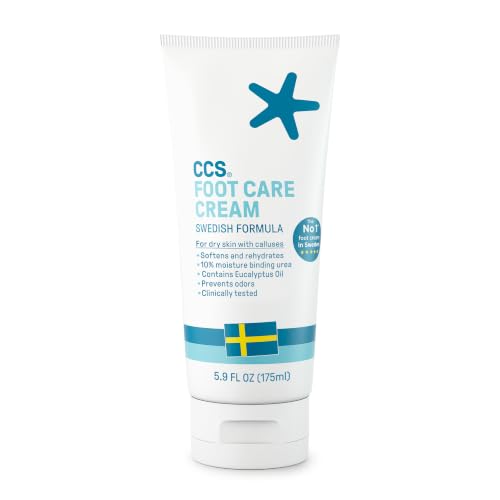
- PROFESSIONAL FOOT CARE FORMULA: Softens hard, dry, and rough skin and prevents dry skin and cracked heels.
- SOFT, SMOOTH FEET: A deeply nourishing moisturizer to strengthen the skin barrier and relieve dryness, roughness, hardness, and cracking without...
- VEGAN FORMULA FOR HEALTHY SKIN: Aided by natural eucalyptus oil and contains 10% Urea to help keep the skin soft and supple.
Last update on 2026-10-12 / Affiliate links / Images from Amazon Product Advertising API
Why Urea Is the Star Ingredient in CCCP Foot Cream
Urea does two jobs at once, and that is why it shows up in so many foot creams. At low levels, it acts as a humectant and pulls water into the upper layer of the skin. At higher levels, it loosens the bonds that hold dead skin cells together, so thick patches start to shed.
CCS Foot Care Cream keeps its urea level in the moisturizing range. That means it softens rough skin without the sting that comes from clinical strength creams. Skin experts often point to 10 percent urea for daily care and 30 to 40 percent urea for stubborn calluses and deep heel cracks. This cream sits closer to the gentle end, so it fits regular use.
Urea also helps other ingredients travel deeper into the skin. That effect lets glycerin and mineral oil work where the dryness actually starts. The result is skin that feels softer on the surface and holds moisture longer.
Italics note: the ingredient list is short, and every item earns its place. There are no dyes and no heavy perfume blends beyond the eucalyptus oil.
CCCP Foot Cream Ingredients Explained
The full ingredient list reads like this: Aqua, Paraffinum Liquidum, Glycerin, Urea, Cetyl Alcohol, Stearyl Alcohol, Myrtrimonium Bromide, Benzalkonium Chloride, Lactic Acid, Eucalyptus Globulus Leaf Oil and Limonene. That list comes from ingredient databases that break each item down for shoppers.
Glycerin is one of the best humectants in skin care. It grabs water from the air and holds it against the skin. Paraffinum liquidum, also called mineral oil, is an emollient and occlusive. It slows water loss and helps repair the skin barrier.
Urea draws water into the skin and supports the barrier beyond simple hydration. Lactic acid is an alpha hydroxy acid that gently exfoliates dead cells. Cetyl and stearyl alcohol are fatty alcohols, and they soften skin while keeping the cream stable. Myrtrimonium bromide and benzalkonium chloride help control bacteria on the skin.
Eucalyptus Globulus Leaf Oil gives the cream its scent, and limonene comes along with that oil. Limonene can trigger allergies in some people, so patch test first if your skin reacts to fragrances. The same database gives this cream a full 100 out of 100 for efficacy.
Top 3 Alternative for CCCP Foot Cream
Sometimes you want a stronger urea level, a thicker balm or a lower price. These three options all sit in the same category, and each one solves a slightly different problem.
1. Ebanel Urea Cream 40% with Salicylic Acid 2%. This is the heavy hitter of the group. It pairs 40 percent urea with 2 percent salicylic acid, so it attacks thick calluses and deep heel cracks. It holds a best seller badge on Amazon with close to 30,000 ratings. If your heels are hard and split, start here.

- Intensive Moisturizing & Multi-Humectant Skin Barrier Support – This 40% Urea Cream forms a breathable moisture barrier that helps reduce moisture...
- Dual-Action Exfoliating & Softening Foot Cream – Formulated with 40% Urea, 2% Salicylic Acid, and Epsom Salt, this urea foot moisturizer for dry...
- Skin, Nail & Cuticle Conditioning Cream – This Urea Cream 40 Percent for feet helps soften rough, scaly, and callused skin and smooth dry, thick...
Last update on 2026-10-10 / Affiliate links / Images from Amazon Product Advertising API
2. O’Keeffe’s Healthy Feet Intense Renewal Cream. This one builds a protective layer that stays on the skin through the day. It suits people who hate greasy feet and want a cream that holds up inside socks. It carries the Amazon’s Choice badge and 4.7 stars from about 7,100 ratings.
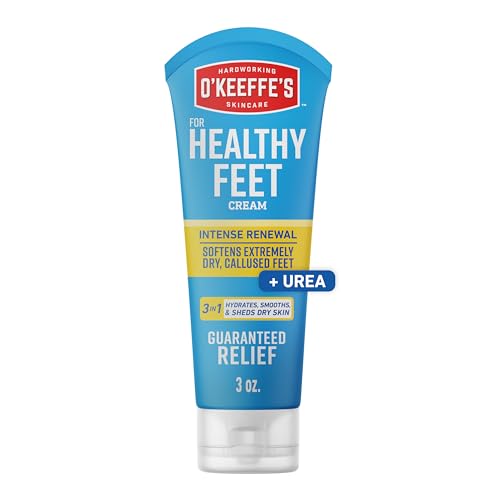
- Fast acting, intense foot care: Clinically proven to provide softer feet in 1 use; Repairs extremely dry, rough and cracked feet with 48 hours of...
- Guaranteed instant relief: A powerful foot cream that instantly boosts moisture levels and protects your skin from moisture loss
- 3-in-1 foot cream: Formulated with Alpha Hydroxy Acid, Urea and Shea butter to chemically exfoliate, smooth, and shed dry skin; Specially formulated...

Last update on 2026-10-12 / Affiliate links / Images from Amazon Product Advertising API
3. Dr. Scholl’s Dry, Cracked Foot Repair with 25% Urea. This is the budget pick. It costs less than $6 and still delivers 25 percent urea for cracked skin. With 9,400 ratings and 4.5 stars, it proves that a low price does not mean weak results.
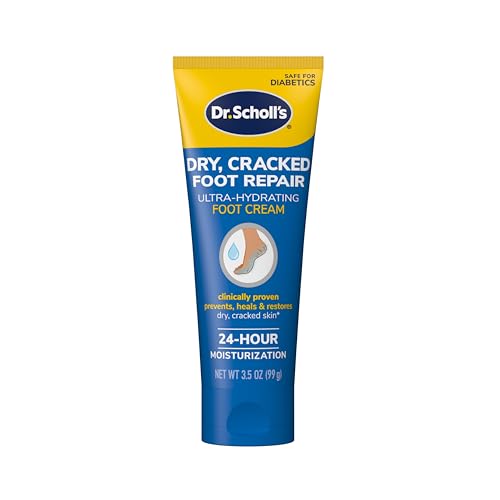
- PROFESSIONAL STRENGTH FORMULA: Dr. Scholl's Dry, Cracked Foot Repair Ultra-Hydrating Foot Cream features a potent blend of 25% Urea, essential oils...
- INTENSIVE MOISTURIZATION: Enriched with a high concentration of urea (25%), this moisturizer provides exceptional softening and moisturizing...
- DEEP HEALING: This moisturizer offers profound hydration to heal and repair dry, cracked skin, revitalizing your feet with every application.
Last update on 2026-10-12 / Affiliate links / Images from Amazon Product Advertising API
How to Apply CCCP Foot Cream the Right Way
Clean feet come first, because cream cannot soak into skin that carries dirt and sweat. Wash your feet with warm water and mild soap, then dry them well. Pay attention to the spaces between the toes, since trapped moisture causes problems.
Take a dab the size of a pea for each foot. Rub it into the heels, soles and any rough patches. Use slow circles and press the cream in instead of wiping it off. Give it two minutes to settle before you walk around.
Nighttime works best for most people. Put on a pair of cotton socks after you apply the cream, and let it work while you sleep. The socks trap heat and moisture, so the urea and glycerin stay on the skin instead of rubbing off on sheets.
Use it once or twice a day. Start with once a day if your skin is sensitive. Add a second round in the morning once your skin adjusts. Exfoliate once a week with a pumice stone or a foot file, but be gentle and never scrub open cracks.
CCCP Foot Cream Results Timeline
Results follow a pattern, and knowing it stops you from giving up too soon. Here is what most users report across the first month.
Days one to three. The skin starts to feel less tight. Fine lines on the heels soften, and the cream stops stinging on dry patches.
Days four to seven. Rough edges begin to smooth out. Some light flaking appears, and that is normal. It means dead cells are lifting away.
Weeks two and three. Calluses start to thin. Heels look smoother and feel softer when you touch them. Shallow cracks begin to close.
Week four and beyond. Deep cracks fade for most people who stay consistent. Skin holds moisture longer between applications. This is the point where you can drop to once a day for upkeep.
Reality check: deep, bleeding cracks may need a stronger cream with 30 to 40 percent urea. If your heels do not improve after a month, switch products or see a doctor.
CCCP Foot Cream Pros and Cons
Every product has trade offs, and this one is no different. Here is the honest breakdown.
Pros
- Softens dry and rough skin with urea, glycerin and lactic acid.
- Thick texture that spreads well and covers a lot of skin with a small amount.
- Low price at around $9.80 for a 5.9 fl oz jar.
- Strong buyer feedback at 4.7 stars from more than 11,000 ratings.
- Works on heels, soles, toes, knees and elbows.
- Fresh eucalyptus scent that many users enjoy.
Cons
- Eucalyptus oil and limonene can irritate sensitive skin.
- Urea level is too low for very deep or bleeding cracks.
- Thick texture feels heavy under socks at first.
- Not fragrance free, so it may not suit everyone.
- Results need daily use, and skipping days slows progress.
The verdict on value: the pros clearly outweigh the cons for mild to moderate dryness. If your heels are severely cracked, jump to a 40 percent urea cream instead.
Best Skin Types and Foot Concerns for CCCP Foot Cream
This cream suits a wide range of feet, but it shines in certain cases. If you see your situation below, it is likely a good match.
Dry soles with light flaking. Urea and glycerin add water and hold it in place. You should see smoother skin within a week.
Thick calluses on the ball of the foot. Lactic acid loosens dead cells, so calluses thin out over two to three weeks.
Rough heels with shallow cracks. The cream softens the hard rim around each crack and helps it close.
Feet that sweat inside shoes all day. The barrier ingredients reduce moisture loss, so skin stays flexible instead of drying out.
Runners and walkers. Repetitive pressure builds calluses fast, and daily cream keeps them from getting hard.
Older adults. Skin thins with age and loses moisture faster, so a daily humectant cream helps a lot.
One tip: pair the cream with well fitting shoes. Friction from tight shoes rebuilds calluses faster than any cream can remove them.
Who Should Avoid CCCP Foot Cream
Not every product fits every person, and honesty matters here. Skip this cream if any of the points below apply to you.
Fragrance sensitive skin. Eucalyptus Globulus Leaf Oil and limonene appear on sensitizer lists. If perfume breaks you out, choose a fragrance free foot cream.
Deep, bleeding heel cracks. The urea level here is too gentle. A 30 to 40 percent urea cream or a doctor’s advice fits better.
Open wounds or infections. Never put cream on broken skin, blisters or signs of fungal infection. Treat the wound first.
Diabetes with nerve damage. Numb feet hide injuries, so talk to a podiatrist before you start any new foot product.
Children without guidance. Young skin is thinner, and strong exfoliating acids may cause irritation.
Anyone allergic to any listed ingredient. Read the full label and patch test on your inner arm for two days.
A quick note: patch testing takes two minutes and saves weeks of trouble. Apply a small amount, wait a day, and check for redness or itching.
CCCP Foot Cream vs Other Urea Foot Creams
Urea creams differ mainly in concentration, texture and price. That single number changes how the cream behaves on your skin.
Low urea, around 10 percent. These creams hydrate and soften. They suit daily care and mild dryness. CCCP foot cream sits in this group.
Mid urea, around 25 percent. These creams exfoliate as they moisturize. Dr. Scholl’s Dry, Cracked Foot Repair uses this level, and it fits cracked heels that have not split open.
High urea, 30 to 40 percent. These creams strip thick calluses and close deep cracks. Ebanel Urea Cream 40% fits here, and it works fast, though it can sting on raw skin.
Texture matters too. Some creams feel light and sink in fast. Others, like O’Keeffe’s Healthy Feet, leave a protective layer that lasts for hours.
Price is the last factor. A $6 cream can beat a $25 cream when the urea level matches your problem. Match the strength to your feet, then pick the price you like.
CCCP Foot Cream Price and Where to Buy
Price checks matter, because foot cream is a repeat purchase. The 5.9 fl oz jar of CCS Foot Care Cream sells on Amazon for about $9.80. Smaller 60 ml tubes cost around $8.99, and a three pack of 175 ml jars runs about $24.47.
Buy from a seller with strong ratings and a clear return policy. Amazon offers easy returns, which helps if your skin reacts to the fragrance. Check the expiration date when the jar arrives, and store it away from direct sun.
Cost per use is tiny. A jar lasts two to three months with daily use, so you spend roughly five to ten cents a day. That is cheaper than most coffee habits and far kinder to your heels.
Buying tip: a multipack lowers the price per jar, but only buy it if you already know the cream suits your skin.
- PROFESSIONAL FOOT CARE FORMULA: Softens hard, dry, and rough skin and prevents dry skin and cracked heels.
- SOFT, SMOOTH FEET: A deeply nourishing moisturizer to strengthen the skin barrier and relieve dryness, roughness, hardness, and cracking without...
- VEGAN FORMULA FOR HEALTHY SKIN: Aided by natural eucalyptus oil and contains 10% Urea to help keep the skin soft and supple.
Last update on 2026-10-12 / Affiliate links / Images from Amazon Product Advertising API
Is CCCP Foot Cream Worth Buying in 2026
Yes, for most people with dry, rough or lightly cracked feet. The formula is simple, the price is low, and buyer ratings stay strong at 4.7 stars from more than 11,000 reviews. It does its job without fuss.
Buy it if your heels feel dry and tight, your soles flake, or you want a daily cream that softens calluses over time. It also fits anyone who likes a fresh scent and a thick texture.
Skip it if your heels are deeply split, your skin reacts to fragrance, or you need a fragrance free formula. In those cases, a 40 percent urea cream or a doctor’s advice serves you better.
The honest summary: this cream is a solid everyday moisturizer with mild exfoliating power. It is not a miracle cure for years of hard calluses, but it is a reliable first step.
Pair it with socks at night, a weekly foot file and shoes that fit. Those habits do half the work, and the cream handles the rest.
A Final Word on CCCP Foot Cream
Dry feet rarely fix themselves, and ignoring the problem only builds thicker calluses. This cream gives you a simple, low cost way to soften rough skin and hold moisture in place. Use it at night, wear socks, and give it a month before you judge the results. If your heels are deeply cracked or your skin hates fragrance, the three alternatives above cover those gaps well. Your feet carry you all day, so a few cents a day on the right cream is money well spent.
Frequently Asked Questions
How long does CCCP foot cream take to work?
Most people feel softer skin within three to five days. Visible smoothing of rough patches usually takes one to two weeks. Deep cracks need three to four weeks of daily use.
Can I use CCCP foot cream on diabetic feet?
Ask your doctor or podiatrist first. Diabetes can reduce feeling in the feet, so small injuries go unnoticed. A professional can confirm whether the formula suits your skin.
Does CCCP foot cream soften calluses?
Yes, it softens them over time. Lactic acid loosens dead cells while urea adds water. Very thick calluses may need a stronger cream or a podiatrist.
Can I use CCCP foot cream twice a day?
Yes, twice a day works well for most people. Start with one daily application if your skin is sensitive. Add the morning round once your skin adjusts.
Does CCCP foot cream have a strong smell?
It carries a light eucalyptus scent from the leaf oil. Most users find it fresh and clean. People who dislike fragrance should pick another cream.
What is the difference between CCCP and CCS foot cream?
They are the same product. CCS is the brand name, and CCCP is a common typing error in search. Look for the CCS Foot Care Cream jar with urea and lactic acid on the label.
