

Dry heels hurt. They snag your socks. They crack, they bleed, and they look rough in open shoes. Millions of people search for a real fix every single year. Flexitol Heel Balm keeps showing up at the top of that list. This 2026 review gives you the full picture. You will learn what sits inside the tube, how fast it works, who should buy it, and who should skip it.
We checked the label, the urea strength, the real user feedback, and the price on Amazon. We also tested it against three popular rivals. If your heels feel like sandpaper, keep reading. The answer may sit in a small tube you can grab today. Let us dig into the details without any fluff.
In a Nutshell
- Urea strength matters most. Flexitol Heel Balm carries 25% urea. That level softens thick, hard skin and pulls water deep into the heel.
- It works fast for many people. The brand claims visible results in one day. Most users see smoother skin within three to seven days of steady use.
- The formula is rich but not greasy. It blends 11 emollients, aloe, vitamin E, shea butter, lanolin, glycolic acid, and tea tree oil to soothe and repair.
- Diabetics can often use it. Flexitol states the balm suits daily foot care for people with diabetes, which matters for ulcer risk.
- Amazon shoppers rate it highly. The 4 ounce tube holds a 4.6 star rating from more than 16,000 reviews and an Amazon’s Choice badge.
- You must apply it twice daily. Consistency drives the results. Skip days and the cracks come back fast.
What Is Flexitol Heel Balm?
Flexitol Heel Balm is a concentrated foot cream for dry, cracked, and thickened heels. The brand calls it a medically proven moisturizing balm. The formula targets hard skin on the heel and the ball of the foot. It comes in a simple squeeze tube, so you control the amount each time.
The product started as a pharmacy item and now sells worldwide. You can find it in drugstores, grocery chains, and online. The 4 ounce tube on Amazon costs about $8.19 with a coupon, which works out near $2 per ounce. That price puts it in the budget friendly range for a specialty foot cream.
Flexitol also makes a twin pack, a Heel Magic stick, and a very dry skin cream. Each one serves a slightly different job. The classic Heel Balm remains the flagship item and the most reviewed.
The texture feels thick when you squeeze it out. It warms in your hands and spreads over rough skin. It absorbs within a few minutes, so you can walk around after use. The scent stays mild, which suits people who dislike strong fragrances.

- VISIBLE RESULTS IN 1 DAY – Clinically tested to hydrate and soften cracked heels and rough feet fast.
- 25% UREA FORMULA – High-strength urea deeply moisturizes while gently exfoliating thick, hardened skin.
- INTENSIVE FOOT CARE – Helps restore severely dry, cracked heels and callused feet.

Last update on 2026-10-10 / Affiliate links / Images from Amazon Product Advertising API
What Ingredients Are Inside Flexitol Heel Balm?
The ingredient list explains why this balm works. Urea sits at the top at 25%, and that single number drives most of the results. Urea acts as a humectant and a gentle exfoliant at the same time. It draws moisture into the skin and loosens dead cells on the surface.
Glycolic acid joins the mix as a second exfoliant. It helps break down hard, built up skin on the heel. The two acids together speed up the softening process.
Aloe vera and vitamin E calm the skin and support repair. Shea butter and lanolin seal in moisture and form a protective layer. Lanolin comes from wool, so people with a wool allergy should check with a doctor first.
Tea tree oil adds a mild cleansing property. It also gives the balm a faint herbal note. Eleven emollients in total round out the formula and keep the skin supple.
The product contains no added fragrance in the classic version, which lowers the chance of irritation. It does contain preservatives and emulsifiers that keep the cream stable in the tube.
Read the full label if you have sensitive skin or known allergies. Patch test on a small area before you cover both heels.
How Does 25% Urea Work on Cracked Heels?
Urea is a natural molecule your body already makes. In skin care, it works in two clear ways. First, it pulls water from the air and from deeper skin layers into the top layer. That step rehydrates dry, tight skin.
Second, urea softens the bonds that hold dead skin cells together. This lets the thick, hardened layer shed more easily. At 25%, urea lands in the sweet spot for cracked heels. Lower levels, around 10%, mainly moisturize. Higher levels, near 40%, act more like a peel and can sting.
Cracked heels form when the skin dries out and loses stretch. Pressure from standing and walking then splits the surface. Deep cracks, called fissures, can hurt and even bleed. Urea addresses the root cause by restoring moisture and flexibility.
Dermatologists often suggest urea creams for rough feet and calluses. Reviews of urea research show it improves hydration and reduces scaling. That evidence supports what Flexitol users report.
The balm also protects the heel once it softens. Emollients form a barrier that slows water loss through the day. Apply it twice daily and the skin keeps improving. Stop for a week and the dryness returns, so routine matters.
Top 3 Alternatives for Flexitol Heel Balm
Not every heel loves the same cream. Some people want a thicker balm. Some want a lighter lotion. Some want a higher urea dose for very thick skin. Here are three strong options that shoppers trust.
O’Keeffe’s for Healthy Feet Foot Cream
This cream has a huge fan base with more than 89,000 ratings and a 4.6 star score. It feels rich and forms a strong seal over cracked skin. It contains no urea, so it hydrates rather than exfoliates. Pick it if your heels are dry but not heavily callused.

- Get your feet back: O’Keeffe’s Healthy Feet is a concentrated foot cream that heals, relieves and repairs extremely dry, cracked feet; From the...
- Guaranteed relief for extremely dry feet: Creates a protective layer on the skin's surface, locking in moisture to keep even the driest, cracked feet...
- Hard working foot care: Intense but soothing, our moisturizing cream instantly boosts and retains moisture levels for long term foot care
Last update on 2026-10-10 / Affiliate links / Images from Amazon Product Advertising API
Eucerin UreaRepair Plus Foot Cream
Eucerin brings 10% urea plus ceramides and natural moisturizing factors. It suits daily care for dry, sensitive feet. The lighter texture absorbs fast and works well under socks. It costs more per ounce, but the formula feels gentle.
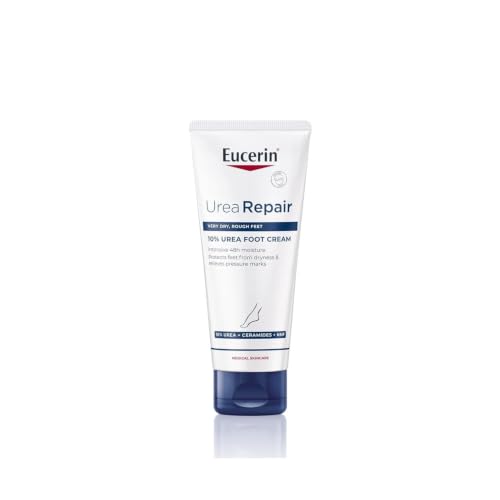
- Oil-in-water emulsion
- Natural moisturising factor urea (5%)
- Fragrance free, colourant free
Last update on 2026-10-10 / Affiliate links / Images from Amazon Product Advertising API
Ebanel Urea Cream 40% with Salicylic Acid
This is the heavy hitter for stubborn, thick heels. It combines 40% urea with 2% salicylic acid for serious exfoliation. Use it on the toughest spots and expect faster peeling. Sensitive skin should start slow with this one.

- Intensive Moisturizing & Multi-Humectant Skin Barrier Support – This 40% Urea Cream forms a breathable moisture barrier that helps reduce moisture...
- Dual-Action Exfoliating & Softening Foot Cream – Formulated with 40% Urea, 2% Salicylic Acid, and Epsom Salt, this urea foot moisturizer for dry...
- Skin, Nail & Cuticle Conditioning Cream – This Urea Cream 40 Percent for feet helps soften rough, scaly, and callused skin and smooth dry, thick...
Last update on 2026-10-10 / Affiliate links / Images from Amazon Product Advertising API
Flexitol Heel Balm Pros and Cons
Pros
- Delivers a strong 25% urea dose that softens thick heel skin
- Shows visible results for many users within a few days
- Suits daily foot care for people with diabetes
- Blends aloe, vitamin E, shea butter, lanolin, and glycolic acid
- Carries a 4.6 star Amazon rating from over 16,000 reviews
- Costs little per ounce compared with many rival creams
- Comes in tubes, twin packs, and a no mess stick version
Cons
- Demands twice daily use, so it takes effort and patience
- Feels heavy and greasy right after you apply it
- Contains lanolin, which bothers some people with wool allergies
- Rare users report stinging, itching, or skin reactions
- The 4 ounce tube runs out fast with daily full foot use
- Not ideal as a quick fix if you want one single application
How to Use Flexitol Heel Balm for Best Results
Good results come from a simple routine. Follow these steps and your heels will thank you.
Wash your feet with warm water and mild soap. Pat them dry with a clean towel. Damp skin absorbs the balm better, so leave a little moisture.
Squeeze a small amount onto your fingertips. Rub it into the rough, cracked, and thick areas of each heel. Focus on the edges where cracks run deep. You do not need a thick layer. A thin, even coat works fine.
Apply the balm twice daily, once in the morning and once at night. The brand recommends this schedule for best results. Night time use matters most, because your feet rest and the cream can work for hours.
Slip on cotton socks after the evening application. The socks hold moisture in and keep your sheets clean. Many users call this step the real secret.
File the hard skin once a week with a pumice stone or foot file. Do this gently and never on open cracks. Filing removes dead skin and lets the balm reach deeper layers.
Stay steady for at least two weeks. Skin renews on a cycle, so quick gaps slow everything down.
Is Flexitol Heel Balm Safe for Diabetics?
People with diabetes face a higher risk of foot problems. Dry, cracked skin can turn into sores and ulcers. Good foot care lowers that risk. Flexitol labels its Heel Balm as suitable for daily skin care for diabetics.
The 25% urea softens hard skin that might otherwise crack. It also keeps the heel flexible and moist. Both steps help protect the foot from injury.
That said, diabetes changes how you should treat your feet. Check your feet every day for cuts, blisters, or color changes. Never use a sharp tool or blade to cut hard skin.
Ask your doctor or podiatrist before you start any new foot product. They know your circulation, nerve health, and history. Some people with poor circulation need professional care.
If you spot a wound, sore, or a crack that bleeds, call your doctor right away. Do not try to fix it with cream alone.
Used with care and medical guidance, Flexitol can support a solid daily foot routine for many diabetics. It is a tool, not a cure.
Flexitol Heel Balm vs O’Keeffe’s Healthy Feet
These two creams top many foot care lists. Each one solves a different problem. Flexitol leans on urea to exfoliate and hydrate at once. O’Keeffe’s skips urea and focuses on sealing moisture with a rich, waxy balm.
If your heels are thick and callused, Flexitol usually wins. The urea breaks down the hard layer and softens cracks from within. That action speeds up real change on stubborn skin.
If your heels are dry but fairly smooth, O’Keeffe’s works well. It creates a protective barrier and stops moisture from leaving. Many people love it for winter dryness and daily upkeep.
Texture sets them apart too. O’Keeffe’s feels denser and stays on the surface longer. Flexitol spreads easier and absorbs a bit faster, though both feel heavy at first.
Price runs close. Both sit in the budget range and last a similar amount of time.
You can also use both together. Apply Flexitol for the exfoliating work, then top it with O’Keeffe’s for extra sealing at night. Many users swear by this pair.
Flexitol Heel Balm vs Eucerin UreaRepair Plus
Both products use urea, so the comparison gets interesting. The main gap is strength. Flexitol carries 25% urea, while Eucerin UreaRepair Plus Foot Cream holds 10%.
Higher urea means faster exfoliation. Flexitol suits thick, rough, badly cracked heels. It softens hard skin and helps it shed. Eucerin suits mild dryness, daily upkeep, and sensitive skin.
Eucerin adds ceramides and natural moisturizing factors. These support the skin barrier and lock in water. The formula feels lighter and absorbs quickly, which many people prefer for daytime wear.
Flexitol feels richer and takes longer to sink in. It leaves a heavier film on the skin. That weight helps at night but feels less pleasant in the morning.
Price differs too. Eucerin often costs more per ounce, since it is a premium pharmacy brand. Flexitol gives you more urea for less money.
Choose Flexitol for a repair phase on tough heels. Choose Eucerin for gentle, steady care once your heels improve. Both are solid picks for different stages of foot care.
What Do Real Users Say About Flexitol Heel Balm?
Amazon reviewers give Flexitol Heel Balm a 4.6 star score across more than 16,000 ratings. That volume tells you a lot. The feedback stays fairly consistent too.
Most happy users talk about speed. Many say their heels felt smoother after a few days. Some report soft skin after the very first night with socks. Deep cracks often close within two weeks of steady use.
People with diabetes praise the gentle action. They like that it softens hard skin without harsh scraping.
A smaller group reports mixed results. Some say the balm feels greasy and stains socks. Others note slow progress on very old, thick calluses. A few mention mild stinging on open cracks.
The most common tip from reviewers is simple. Use it every night and wear socks. Users who stick with the routine get the best outcomes. Users who apply it once and quit see little change.
Negative reviews often trace back to short term use. Foot skin takes time to rebuild. Patience and steady habits drive the good reviews.
Which Flexitol Product Fits Your Feet?
Flexitol sells more than one foot product, so pick the right one. Each serves a purpose.
Heel Balm is the flagship. It brings 25% urea and 11 emollients for cracked, thick heels. Choose it for a repair phase on rough skin.
Heel Magic comes as a stick with 10% urea. It glides on with no mess and softens mild roughness. It works well for quick touch ups and travel.
Very Dry Skin Cream targets dry skin on legs, arms, and feet. It uses urea to hydrate and smooth. Reach for it when dryness spreads beyond your heels.
Twin packs of the Heel Balm save money for regular users. If you apply it twice daily, you will finish tubes fast. A two pack keeps you stocked.
Think about your skin first. Thick, cracked heels need the 25% balm. Mild dryness only needs the lighter options. Match the strength to the problem and you will get better results with less waste.
How Long Does Flexitol Heel Balm Take to Work?
Timing depends on your skin and your habits. Flexitol claims visible results in one day. Many users confirm that first improvement.
Day one often brings softer, calmer skin. The urea starts pulling in water right away. Fine lines on the heel may fade a little.
Days three to seven show clearer change. Hard edges soften and small cracks begin to close. This is when most people notice a real difference.
Weeks two to four bring the biggest gains. Deep fissures fill in and the heel feels smooth. Hard calluses start to thin with weekly filing.
Two things speed up the process. Apply the balm twice daily without skipping. Wear socks at night to trap moisture.
Two things slow it down. Applying it once a day or less. Walking barefoot on hard floors, which dries and splits the skin again.
If you see no change after three weeks of steady use, check your routine. You may need a higher urea product or a doctor’s advice. Give it a fair run before you switch.
Where to Buy Flexitol Heel Balm and What It Costs
You can buy Flexitol Heel Balm in several places. Amazon, CVS, Walgreens, and many grocery stores carry it. Online prices often beat store shelves.
On Amazon, the 4 ounce tube lists around $14.29 but sells near $8.19 with a coupon. That lands near $2 per ounce, which is cheap for a 25% urea cream. Subscribe and Save can cut the price further for regular users.
The twin pack holds two 4 ounce tubes and costs around $20. That works out lower per tube for daily users. If you plan to use it twice daily, the twin pack makes sense.
A 2 ounce tube offers a smaller entry point. It suits first time buyers who want to test the formula. A 3 ounce tube also appears in some stores.
Prices shift with sales and coupons, so check before you buy. Stock can vary too, since the balm sells quickly.
Buy from a trusted seller to avoid old or fake stock. Check the expiry date when the tube arrives. Fresh cream spreads better and works more reliably.
Common Mistakes That Slow Down Heel Healing
Most people fail at foot care for the same few reasons. Fix these and your heels will improve faster.
The first mistake is applying the balm once a day. Urea needs steady contact to work. Twice daily use drives the results the brand promises.
The second mistake is skipping socks at night. Socks hold the cream against the skin and stop it rubbing off. They also trap moisture, which urea needs.
The third mistake is picking at cracks. Do not peel or cut hard skin with your fingers or tools. You can open a wound and invite infection.
The fourth mistake is ignoring the filing step. Dead skin blocks the balm from reaching deeper layers. Light weekly filing makes the cream far more effective.
The fifth mistake is walking barefoot on hard floors. This dries the heel and splits fresh skin. Wear supportive shoes or soft socks at home.
The sixth mistake is quitting too soon. Skin renews over weeks, not days. Give the routine a fair month before you judge the results.
Final Verdict: Is Flexitol Heel Balm Worth Buying in 2026?
Flexitol Heel Balm earns its place in foot care. The 25% urea dose does real work. It softens thick skin, hydrates deep layers, and helps cracks close. The blend of aloe, vitamin E, shea butter, lanolin, and glycolic acid supports the repair.
The price stays low for the results you get. A 4 ounce tube near $8 makes it one of the best value foot creams around. The 4.6 star rating from more than 16,000 shoppers backs that up.
It suits many people, including diabetics under medical guidance. It also fits anyone with dry, rough, cracked heels who will commit to a routine.
The catch is effort. You must apply it twice daily and wear socks at night. Skip those steps and you will see little change. That single truth decides who loves this balm and who does not.
If you want a simple, affordable, urea rich cream for stubborn heels, this one delivers. Buy it, follow the routine, and give it a month. Your heels will likely feel smooth and soft again.
FAQs
How often should I apply Flexitol Heel Balm?
Apply it twice daily, once in the morning and once at night. The brand recommends this schedule for best results. Steady use drives faster healing.
Can I use Flexitol Heel Balm on my whole foot?
Yes, you can use it on any dry, rough, or thick skin on your feet. Focus on the heels and the ball of the foot. Use a thin layer and rub it in well.
Is Flexitol Heel Balm safe for people with diabetes?
Flexitol states the balm suits daily foot care for diabetics. It softens hard skin and lowers crack risk. Always check with your doctor first and inspect your feet daily.
Does Flexitol Heel Balm contain fragrance?
The classic Heel Balm contains no added fragrance. It carries a mild scent from tea tree oil and other natural ingredients. That makes it a decent pick for sensitive skin.
How long until I see results?
Many users notice softer skin within one day. Small cracks often close within a week. Deep fissures may take two to four weeks of steady use.
Can I use Flexitol Heel Balm with other foot creams?
Yes, you can layer it with other creams. Many users apply Flexitol first, then a sealing balm over it at night. This pairs exfoliation with extra moisture.
What if the balm stings my skin?
Stop using it if you feel strong stinging, burning, or itching. Wash the area with cool water. Call your doctor if a rash or swelling appears.
Is Flexitol Heel Balm worth the price?
Yes, for most people it is. You get 25% urea and a rich emollient blend for about $8 per tube. Few foot creams offer this much urea for so little.
