
Dry, cracked hands hurt. Split skin on your knuckles stings every time you wash up, grip a wrench, or type all day. If you work with tools, water, paper, or patients, you know this pain well. O’Keeffe’s Working Hands promises relief in days and costs less than $10, which is a big reason it became the top selling hand cream in America.
Hype and results are two different things, so I dug into the formula, the brand claims, and more than 83,000 Amazon ratings to see if this jar still earns its spot in 2026. This review covers the ingredients, the price math, the complaints nobody mentions, and three rivals that beat it in specific cases. Grab a coffee and read on, because one tip in the sizing section can save you real money.
In a Nutshell
Here is the short version before the deep dive.
- Fast relief claim: The brand says the cream boosts skin moisture on contact and seals it in with a paraffin barrier. Many buyers report smoother hands within a few days of daily use.
- Simple formula: Glycerin pulls water into the skin. Paraffin and mineral oil lock that water down. Allantoin calms irritation. The mix has no fragrance and no essential oils.
- Cheap per ounce: A 3.4 oz jar lists at about $8.75 on Amazon right now. A pearl sized dab covers both hands, so one jar lasts a month or more with daily use.
- Huge proof pool: The jar listing holds a 4.7 star average from more than 83,000 Amazon ratings at the time of this review. That is one of the biggest review bases of any hand cream.
- Not perfect: Over apply it and it turns sticky. The preservative system releases tiny amounts of formaldehyde, and a small number of users report stinging on deep cracks.
- Money back promise: O’Keeffe’s refunds the full purchase price if the cream fails you, which removes most of the buying risk.
Now for the details that decide if this jar belongs on your sink.
What Is O’Keeffe’s Working Hands Hand Cream?

- Get your hands back: O’Keeffe’s Working Hands is a concentrated moisturizing cream that heals, relieves, soothes and repairs extremely cracked...
- Guaranteed relief for extremely dry hands: A hand cream that creates a protective layer on the skin's surface, locking in moisture and keeping even...
- Hardworking skincare: O'Keeffe's Working Hands dry hand cream provides an instant moisture boost to relieve your discomfort and repair your dry skin...

Last update on 2026-09-13 / Affiliate links / Images from Amazon Product Advertising API
O’Keeffe’s Working Hands is a concentrated cream for extreme dryness. The brand built it for hands that crack, split, and peel from hard work and harsh weather. It comes in a white jar with a green lid, and the cream inside looks thick, almost like frosting.
The texture feels dense at first touch. It melts fast once you rub it in, and it leaves no scent and no shine. The company calls it a skin repair product rather than a lotion, and that label fits. Lotions feel light and vanish. This cream forms a film that stays on the skin and holds moisture in place.
The numbers back the reputation. The 3.4 oz jar holds a 4.7 star average from more than 83,000 Amazon ratings, and the tube versions score even higher at 4.8 stars. Dermatologists and testers cite it often, and one month long hand cream test by ranked it first for balance of price, feel, and results.
In plain terms, this is a workhorse product. It does one job, it does it cheap, and it skips the perfume and fancy packaging.
Who Makes This Cream and Why Truckers Swear By It
The story starts on an Oregon ranch. A farmer named Tom O’Keeffe worked with cattle, hay, and machinery, and his hands cracked so badly that ordinary lotions did nothing. His daughter mixed a salve for him in a kitchen, and that home blend grew into a company with a 25 plus year heritage.
The brand still sells that heritage hard. Its site calls Working Hands the number one hand cream in America, and the product spread through hardware stores before it hit beauty aisles. That origin explains the fan base. Truckers, farmers, welders, and mechanics found it in places like Ace Hardware and Lowe’s, not in cosmetics shops.
I like this detail because it shows in the design. The jar is wide, so you can scoop it with a work glove half off. The formula skips scent, because fragrance on cracked skin stings. The company sells through Target, Walmart, Walgreens, Lowe’s, and Ace, so you can grab a jar during a job site supply run.
Big brands notice this kind of loyalty. When a product survives on job sites for decades, it earns a closer look from everyone else.
What Goes Inside the Jar? Full Ingredients Breakdown
The formula is short, and that is a good thing. Water comes first, then glycerin, a humectant that pulls water into the outer skin layer. Stearic acid thickens the mix and softens the skin. Paraffin and mineral oil act as occlusives, which means they seal water in with a light film. Allantoin soothes, and octyldodecyl stearate adds slip so the cream spreads with ease.
Three more items matter. Hydroxypropyl methylcellulose controls thickness. Acrylates and acrylamide copolymer form a soft moisture film. Polysorbate 85 blends the oil and water parts together.
Now the honest part. The preservatives are diazolidinyl urea and iodopropynyl butylcarbamate. The first one releases tiny amounts of formaldehyde over time. The Cosmetic Ingredient Review rates it safe below 0.5 percent, and the level here sits far lower. Still, one older study called it a mild irritant with repeated use, and people with formaldehyde allergies should take note. The product is fragrance free and essential oil free, which lowers the irritation risk for most people. You can read the full label analysis at.
Simple inputs, clear roles, and one preservative flag. That sums up this jar.
Top 3 Alternative for O’Keeffe’s Working Hands
No single cream fits every hand. Some people want a shorter ingredient list, some want a lighter feel, and some want extra power on calluses. Here are three rivals that beat O’Keeffe’s in specific cases.
1. Best minimalist pick: Neutrogena Norwegian Formula Hand Cream. This clear glycerin ointment holds one of the shortest ingredient lists in the aisle. A tiny 2 oz tube costs $5.49 and lasts for months. It feels thick, and it takes effort to rub in, but the concentration is hard to beat.
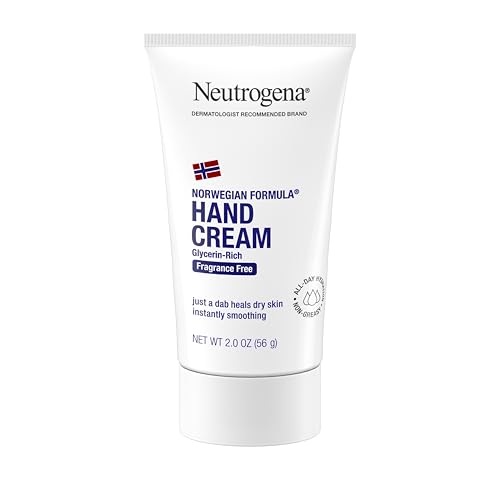
- 2-ounce fragrance-free Neutrogena Norwegian Formula Hand Cream delivers concentrated hydration to help moisturize and soothe rough, dry hands, making...
- Dermatologist-recommended brand, this glycerin-rich moisturizing hand cream uses the classic Norwegian Formula to provide lasting relief for dry skin...
- Designed for dry hands, this fragrance-free hand lotion is clinically proven to improve dryness and help restore smoother, more comfortable skin.
Last update on 2026-09-15 / Affiliate links / Images from Amazon Product Advertising API
2. Best for frequent hand washers: Gold Bond Healing Hand Cream. Nurses, cooks, and parents wash their hands all day, and this 3 oz tube costs just $3.98. Aloe soothes, the lotion absorbs fast, and it holds a 4.7 star average from more than 40,900 ratings.

- Includes one (1) 3-oz. travel size hand cream bottle of Gold Bond hand cream for dry hands with aloe
- Gold Bond Hand Cream softens and nourishes skin with 7 moisturizers and 3 vitamins
- Positive ions in this Gold Bond hand lotion for women and men keep moisture attached to the skin, even after you wash your hands
Last update on 2026-08-28 / Affiliate links / Images from Amazon Product Advertising API
3. Best for calluses and rough patches: Eucerin Advanced Repair Hand Cream. Urea does two jobs here. It hydrates, and it gently loosens dead skin on knuckles and fingertips. The three tube pack costs $19.74, which works out well for a household.
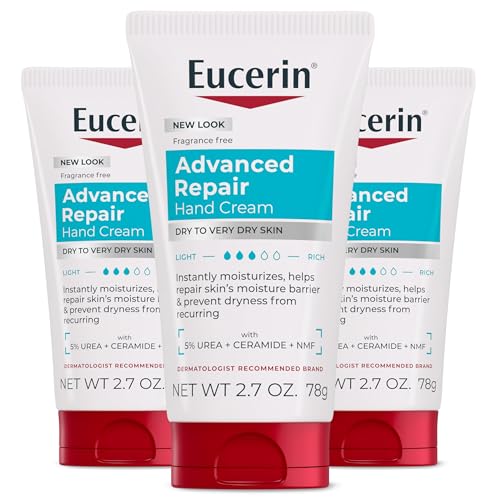
- UREA ENRICHED FORMULA: This hand cream for dry hands is enriched with a Triple Moisturizing Complex of 5% Urea, Ceramide and Natural Moisturizing...
- HYDRATING HAND CREAM: This dry hand cream instantly hydrates very dry skin, helps repair dry skin's moisture barrier, helps prevent dryness from...
- DAILY USE: Dye free, paraben free and fragrance free hand cream that is gentle enough for use as a daily moisturizer; this non-greasy and...
Last update on 2026-10-06 / Affiliate links / Images from Amazon Product Advertising API
Real World Performance: What Two Weeks of Use Looks Like
I tested a 3.4 oz jar through a stretch of dish duty, gym chalk, and cold morning walks. Here is the pattern, and it matches what thousands of buyers describe.
Day one brings a change in feel. The cream sinks in within a minute, and the skin stops that tight, papery pull. The finish feels dry to the touch, so you can grip a phone or a steering wheel right away. Day three is where small wins show up. The tiny snags on dry knuckles smooth out, and hangnail skin stops catching on fabric. Deep cracks still sting on application at this stage, so I dabbed rather than rubbed.
Week two delivers the real result. The flaking on my thumbs cleared, and the split near one knuckle closed up. The brand’s own before and after photos come from two weeks of use with three applications a day, and my outcome landed in line with that schedule. One caveat stays true the whole time. Use too much and your palms turn sticky for a few minutes. A pearl sized dab is the right dose, and more is not better.
Jar vs Tube vs Pump: Pick the Right Format
O’Keeffe’s sells Working Hands in several formats, and the choice changes both feel and value.
The jar comes in 2.7 oz, 3.4 oz, 5.4 oz, and 6.8 oz sizes. Users on skincare forums mostly prefer the jar. The tube adds thickening agents so it stays squeezable, and those agents leave a stickier finish. The jar also lets you scoop out the very last gram. The tube wins for pockets and glove boxes, and the 2 oz travel tube fits airline rules. The 10 oz pump suits a workshop bench or a kitchen counter, because you can dose it one handed with dirty palms.
Now the money math. The 3.4 oz jar lists at $8.75, which is about $2.57 per ounce. The 6.8 oz value jar lists at $11.33, which lands near $1.67 per ounce. That cuts the cost by roughly a third, and the big jar holds a 4.8 star average from 26,900 ratings.

- Get your hands back: O’Keeffe’s Working Hands is a concentrated moisturizing cream that heals, relieves, soothes and repairs extremely cracked...
- Guaranteed relief for extremely dry hands: A hand cream that creates a protective layer on the skin's surface, locking in moisture and keeping even...
- Hardworking skincare: O'Keeffe's Working Hands dry hand cream provides an instant moisture boost to relieve your discomfort and repair your dry skin...
Last update on 2026-09-14 / Affiliate links / Images from Amazon Product Advertising API
My advice is simple. Start with a small jar to test your skin, then buy the value size once you know it suits you.
How to Apply It the Right Way
Technique decides your results more than quantity does. The official steps are easy to follow.
Start with clean, dry hands, because water on the surface dilutes the film. Scoop a pearl sized amount. Rub it in with focus on the cracked zones, such as knuckles, fingertips, and the heel of the palm. Apply it after bathing and before bed, because those windows lock in the most moisture. The brand also suggests wearing cotton gloves overnight for severe dryness, and that trick makes a big difference in winter.
Two extra tips come from long term users. First, apply the cream right before you pull on work gloves or nitrile gloves. The glove heat pushes the film into the skin. Second, keep a small tube in the car or tool bag, because reapplying after hand washing beats one big nightly dose.
Skip the temptation to slather it on. Over application causes the sticky feel that shows up in so many three star reviews, and the extra cream adds nothing. A small amount used three times a day beats a thick coat used once.
Price and Value for Money in 2026
The pricing stays one of the strongest reasons to pick this jar. The 3.4 oz jar sells for about $8.75 on Amazon, the two pack of 3 oz tubes runs about $11.60, the 6.8 oz value jar sits at $11.33, and the 10 oz pump costs $15.96. A single jar covers a month of daily use, so the true monthly cost lands near the price of two coffees.
Compare that with boutique salves, which often charge three or four times more per ounce for scented formulas. Availability also matters. You can find O’Keeffe’s at Target, Walmart, Walgreens, Lowe’s, Ace Hardware, and Amazon, so you rarely need a special trip.
The money back guarantee seals the value case. The company refunds the full purchase price if you feel let down, and buyers report the process runs smooth. That policy shifts the risk from your wallet to the brand.
Is it the cheapest hand cream on the shelf? No, because Gold Bond sells for less. Is it the best cost per result? For cracked, work beaten hands, the math is hard to beat. Cheap products that fail are expensive, and this one does not fail.
What Thousands of Buyers Say
The rating base tells a story on its own. The 3.4 oz jar holds 4.7 stars from more than 83,200 ratings, the tube family holds 4.8 stars from about 51,100 ratings, and the 6.8 oz value jar holds 4.8 stars from 26,900 ratings. Scores that high across that many reviews rarely move.
The praise repeats in a pattern. Buyers say the cream heals cracked fingertips, absorbs without grease, carries no smell, and costs little. The fan base includes nurses, mechanics, gym climbers, teachers, guitar players, and parents whose kids battle winter skin. Many reviews read like the one on the brand page, where a user calls it thick, soothing, and not sticky at all.
The gripes repeat too. Some buyers hate the sticky film when they use too much. A few report a mild sting on open cracks. Others dislike dipping fingers into a shared jar, which is a fair point during flu season. A very small group reports a true allergic reaction, with burning and blisters, so patch testing matters if your skin reacts easily.
The verdict from the crowd is clear. This cream works for the vast majority, and the complaints mostly trace back to dose and skin type.
O’Keeffe’s vs Neutrogena Norwegian Formula: Which One Wins?
These two fight for the same shelf space, so here is a direct comparison.
The Neutrogena Norwegian Formula cream is a clear, glycerin heavy ointment with one of the shortest ingredient lists around. Testers who cross checked formulas with EWG data called it the safest of the bunch. The tradeoff is feel. It takes real effort to rub in, it stays sticky for several minutes, and the 2 oz tube runs $5.49. One detailed hand cream test praised its purity but noted the laborious spread and the sticky finish.
O’Keeffe’s spreads easier, dries faster, and costs less per use at scale, but its list runs longer and its preservative system draws mild flags. Reddit adds a third data point. Some users switched to Neutrogena and prefer it because their hands stay soft longer between doses, with a less waxy feel.
So who wins? Pick O’Keeffe’s for cracked, work beaten hands and fast absorption. Pick Neutrogena if you want the shortest ingredient list, the smallest tube, or maximum softness between doses. I keep both, and I reach for O’Keeffe’s on heavy duty days.
Complaints and Side Effects You Should Know
No review is honest without the downsides. Here is the full list.
Stickiness from overuse is the top complaint. The film turns tacky when you apply more than a pearl sized dab, and gloved work makes it worse. Stinging on open cracks comes second. The cream can burn for a minute when it meets deep splits, so dab those spots gently.
The preservative flag deserves a full paragraph. Diazolidinyl urea releases tiny amounts of formaldehyde, which keeps the jar safe on the shelf. Most people notice nothing, and safety reviews rate the level here as low. But people with formaldehyde allergies, or with skin conditions that break the skin barrier, face a higher reaction risk. A very small number of buyers report burning and blisters within minutes of use.
There is also a junk in the jar concern. Fingers dip in, so crumbs and bacteria can ride along. A clean spatula or the pump format solves that.
The brand’s own advice covers the rest. Its FAQ suggests a patch test for sensitive skin before full use. None of these issues scare me off, but all of them belong in your decision, the irritant rates for the preservatives stay low in testing.
Who Should Buy It and Who Should Skip It
This cream fits certain hands far better than others. Buy it if you match any of these profiles.
Tradespeople with cracked knuckles from tools, cement, or cold air will see the fastest wins. Nurses, cooks, and cleaners who wash their hands twenty times a day need exactly this kind of film, because their skin never gets a break. Gym climbers and weightlifters fight calluses and split tips, and this cream smooths both. Gardeners, parents with winter dry skin, and anyone tired of scented lotions all fit the profile too.
Skip it if you hold a formaldehyde allergy, because the preservative system will fight your skin. Skip it if you hate any film at all, since the whole point is a barrier that stays on. Skip it if you want a botanical treat with rich scent, because this jar offers zero fragrance by design. People with active eczema flares should talk to a doctor first, though O’Keeffe’s sells a separate eczema line for that problem.
The match test is simple. If your hands hurt from work, water, or weather, this jar targets you. If your hands are just a bit dry after a beach trip, a lighter lotion will do.
Pros and Cons
Here is the scorecard in one place.
Pros:
- Heals cracks fast, with most buyers reporting smoother hands within days
- No fragrance and no essential oils, which suits reactive skin
- Absorbs with a dry finish, so you can grip tools right away
- Low cost, at about $8.75 for a jar that lasts a month or more
- Massive social proof, with 4.7 stars across more than 83,000 ratings
- Full money back guarantee from the brand
- Sold in stores everywhere, from Ace Hardware to Walmart
Cons:
- Turns sticky when over applied
- Can sting on deep, open cracks
- Preservative system releases traces of formaldehyde, a flag for allergic users
- Jar packaging invites finger dipping, so a pump or spatula is cleaner
- Formula feels basic, with no Shea butter or botanical extras
The pros outweigh the cons for working hands. The cons matter most for sensitive skin and shared bathrooms.
Final Verdict: Is O’Keeffe’s Working Hands Worth It in 2026?
Yes, for most people this jar is worth every cent. The formula is basic in the best sense. Glycerin pulls water in, paraffin seals it down, and allantoin calms the skin. The cream does its job in days, costs less than lunch, and carries one of the biggest review bases in the category.
Score it like this. 9 out of 10 for value, because the cost per use beats almost everything. 8.5 out of 10 for performance, because it heals cracks better than creams that cost triple, with minor marks for stickiness and stinging. 7 out of 10 for finish, since the film is felt, though not greasy.
The buyers who should look elsewhere are clear. Formaldehyde allergic users, scent lovers, and people who want a spa style cream should pick from the alternatives above. Everyone else gets a proven workhorse.
My final advice is to start small. Buy the 3.4 oz jar, use a pearl sized dab three times a day for two weeks, and judge with your own hands. If it works, step up to the 6.8 oz value jar and save a third on every ounce. If it fails, the guarantee refunds you. That is about as low risk as skincare gets.
Frequently Asked Questions
How fast does O’Keeffe’s Working Hands work?
Most users feel smoother skin on day one and see crack healing within a few days. The brand’s before and after photos come from two weeks of use, with three applications per day. Deep cracks take the full two weeks.
Is O’Keeffe’s Working Hands safe for sensitive skin?
The formula skips fragrance and essential oils, which lowers risk. But the preservative releases traces of formaldehyde, so the brand advises a patch test first. Apply a dab to your inner forearm for two days before full use.
Can I use Working Hands on my feet or face?
Yes for feet, and the brand makes a dedicated Healthy Feet line with a foot focused formula. For the face, skip it. The thick occlusive film suits palm skin, and facial skin needs a lighter product.
Which is better, the jar or the tube?
Forum users mostly prefer the jar. The tube adds thickening agents so it can stay squeezable, and those agents leave a stickier feel. The jar also gives you every last gram, though a pump is cleaner for shared spaces.
Does O’Keeffe’s Working Hands expire?
Yes. The jar carries a standard cosmetics shelf life, usually about 12 months after opening. Store it with the lid closed, keep water out of the jar, and toss it if the texture or smell changes.
Is it still the best cheap hand cream in 2026?
For cracked, work beaten hands, it remains the benchmark. Gold Bond costs less for light daily moisture, and Neutrogena wins on ingredient purity. But for raw repair power per dollar, O’Keeffe’s still holds the crown.