
When selecting a sunscreen stick for winter sports, it’s essential to take into account factors such as SPF level, ingredients, and skin compatibility, especially since snow reflects UV rays intensely. Effective options provide broad-spectrum protection, resist water, and are easy to reapply during activity. However, the best choice depends on your skin type and environmental concerns. Understanding the advantages and limitations of various formulations can help guarantee your skin remains protected on even the coldest, sunniest ski days.
CeraVe Mineral Sunscreen Stick SPF 50, Broad Spectrum, Fragrance-Free

- [ BROAD SPECTRUM UV PROTECTION ] 100% Mineral based sunscreen reflects UVA/UVB rays to help protect the skin. Stick sunscreen for face formulated with...
- [ MESS-FREE APPLICATION ] A sunscreen face stick is ideal for on-the go application for the whole family. Convenient, travel size packaging makes...
- [ HAWAII COMPLIANT SUNSCREEN ] Oxybenzone free, avobenzone free, and benzene free, this face sunscreen contains physical filters Zinc Oxide and...

Last update on 2026-09-15 / Affiliate links / Images from Amazon Product Advertising API
Planning a ski trip in winter? Make sure you have good sun protection with CeraVe Mineral Sunscreen Stick SPF 50. It works well for people with sensitive skin. It offers full protection from the sun by reflecting UVA and UVB rays. It uses mineral filters like micro-fine Zinc Oxide, which are easy to spread and leave a clear finish. The formula is free of fragrance and oil, so it’s gentle on your skin. It’s water-resistant too, perfect for winter sports.
The stick shape makes it easy to carry and quick to reapply. You can use it on your face and sensitive spots without making a mess. It also has three ceramides that help keep your skin’s barrier healthy after sun exposure.
This sunscreen is a good pick if you want a mineral-based product that is simple, portable, and gentle. It’s especially good if you have sensitive skin or if you like using mineral sunscreens.
Pros:
- Protects well against the sun with mineral filters
- Fragrance-free, oil-free, and water-resistant
- Easy to carry and apply on the go
Cons:
- Might not be preferred by those who want chemical sunscreens
- The stick may need extra coverage for large areas
- Some people might find the mineral finish slightly chalky or less matching to their skin tone
Neutrogena Ultra Sheer Face Sunscreen Stick SPF 60
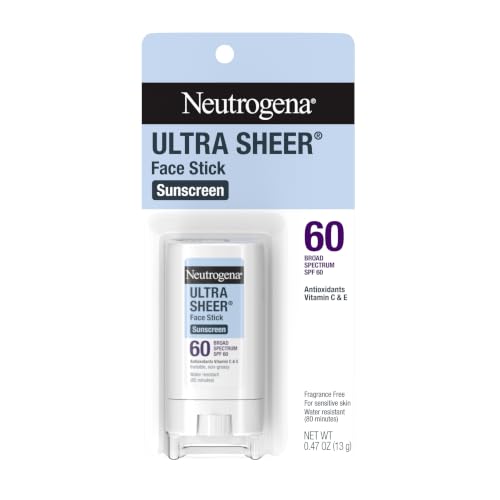
- POWERFUL SPF 60 PROTECTION FOR FACE: Ultra Sheer face sunscreen stick with SPF 60 delivers high-performance UVA/UVB defense with Helioplex Technology...
- INVISIBLE, MATTE, NON‑GREASY FINISH: Lightweight sunscreen for face applies clear with no white cast. Quick‑dry, non‑greasy sunscreen delivers a...
- TRAVEL SUNSCREEN WITH VITAMIN C & E: Broad‑spectrum sunscreen is formulated with skin‑nourishing antioxidants VITAMIN C & E. The fragrance‑free...
Last update on 2026-08-28 / Affiliate links / Images from Amazon Product Advertising API
The Neutrogena Ultra Sheer Face Sunscreen Stick SPF 60 is a good choice for winter ski trips. It is easy to carry and simple to apply. The stick is small, only .47 oz, so you can fit it in your purse or ski bag. You can easily reapply it anytime you need to protect your skin. It glides on smoothly and dries quickly. It doesn’t leave a white mark or greasy feeling. It is also packed with vitamins C and E, which help keep your skin healthy. The sunscreen uses Helioplex technology. This gives you broad protection from UVA and UVB rays. It stays on well in water, for up to 80 minutes. It is also safe for sensitive skin and free from common irritants.
Best For: people going on winter trips or outdoor adventures who want a small, effective, and mess-free sunscreen they can take with them.
Pros:
- Small and lightweight, easy to carry around
- Glides on smoothly and dries fast
- Doesn’t leave white streaks or greasy patches
- Contains vitamins C and E to help your skin stay healthy
Cons:
- Small size means you may need to reapply often during long sun exposure
- The stick format isn’t best for big skin areas
- No scent or extra skincare benefits listed beyond UV protection
CeraVe Mineral Sunscreen Stick SPF 50 (Fragrance-Free & Oil-Free)
- [ BROAD SPECTRUM UV PROTECTION ] 100% Mineral based sunscreen reflects UVA/UVB rays to help protect the skin. Stick sunscreen for face formulated with...
- [ MESS-FREE APPLICATION ] A sunscreen face stick is ideal for on-the go application for the whole family. Convenient, travel size packaging makes...
- [ HAWAII COMPLIANT SUNSCREEN ] Oxybenzone free, avobenzone free, and benzene free, this face sunscreen contains physical filters Zinc Oxide and...
Last update on 2026-09-15 / Affiliate links / Images from Amazon Product Advertising API
CeraVe Mineral Sunscreen Stick SPF 50 is a good pick for winter sports and outdoor trips. It offers strong, broad UV protection in a small, easy-to-use stick. The formula uses InVisibleZincTM Technology and tiny zinc oxide particles to block out the sun’s rays. It protects against both UVA and UVB rays effectively.
This sunscreen has physical filters, Zinc Oxide and Titanium Dioxide. They are safe for Hawaii, free of oxybenzone, and gentle enough for sensitive skin. The travel-size stick makes it easy to reapply, even on delicate areas like lips, nose, or around the eyes. It has ceramides to help keep your skin’s natural barrier strong. The product is water-resistant, fragrance-free, and oil-free. It works well for kids and adults alike.
Best For: People active outdoors, travelers, and families who need reliable, portable sun protection during winter or cold weather.
Pros:
- Shields against both UVA and UVB rays with mineral filters
- Compact stick makes reapplying easy and clean
- Contains ceramides to help keep skin healthy and protected
Cons:
- Might feel less moisturizing than chemical sunscreens, especially for very dry skin
- The stick can be less precise than creams or lotions
- May leave a white cast on darker skin tones
This sunscreen is a simple, safe choice for anyone who needs reliable sun protection while staying active outside.
Factors to Consider When Choosing Sunscreen Sticks for Winter Ski Trips
When selecting a sunscreen stick for winter ski trips, you’ll want to take into account various factors to ensure effective protection and convenience. Key elements include choosing an appropriate SPF level for high-altitude sun exposure, water resistance to withstand sweating and snow contact, and compatibility with sensitive skin if necessary. Additionally, assess how easy the product is to apply and carry, while also ensuring it meets environmental and safety standards for responsible usage.
SPF Protection Level
Choosing the right SPF for your winter ski trip is very important. When you go up high in the mountains, the sun’s rays become stronger. Snow also reflects sunlight, which can make your skin tan or burn faster. To protect yourself, use a sunscreen with at least SPF 30. Sunscreens with SPF 30 block about 97% of the UVB rays. Sunscreens with SPF 50 block about 98%. Higher SPF sunscreens give you more protection.
Look for sunscreens that protect against both UVA and UVB rays. Reapply your sunscreen often, especially if you sweat or wipe your face. It’s also helpful to wear hats, sunglasses, and clothing that cover your skin. These extra steps keep you safe from sun damage while you enjoy your ski trip.
Water Resistance Features
Water resistance is important when choosing a sunscreen stick for winter sports like skiing. Snow and cold weather can make sunscreen less effective on your skin. Most water-resistant sunscreens can keep their SPF protection for 40 to 80 minutes when they get wet or sweat. When skiing, you sweat and touch snow, which can wear down sunscreen. That’s why you need to reapply sunscreen even if it says water-resistant. Cold temperatures can also make water resistance weaker. So, reapply often to stay protected. Picking a water-resistant sunscreen helps keep your skin safe from UV rays. Snow reflects sunlight, making UV exposure stronger. Using a good water-resistant sunscreen helps prevent sunburn and skin damage during winter sports.
Skin Sensitivity Compatibility
Skin sensitivity matters when choosing a sunscreen stick for winter sports. Cold weather and snow reflect sunlight, which can make your skin irritated. To keep your skin safe, pick sunscreens labeled as fragrance-free and hypoallergenic. These products are less likely to cause reactions.
Mineral sunscreens with zinc oxide or titanium dioxide are gentle options. They usually cause fewer allergies than chemical sunscreens. Also, look for products that contain skin barrier ingredients like ceramides. These help protect your skin from dryness and wind damage.
Choose sunscreens made for sensitive skin. Make sure they are non-comedogenic, meaning they won’t clog pores. Avoid ingredients like oxybenzone and parabens, which can irritate skin.
Application Ease & Portability
When you go skiing in winter, it’s important to pick the right sunscreen. Sunscreen sticks are easy to use and fit into your gear. They work well for quick, precise coverage on small spots like your nose, ears, or around your eyes. Because they are small and light, you can carry them in your pocket, in your gloves, or in your ski bag. This makes reapplying the sunscreen simple and fast, even when you’re on the slopes.
Sunscreen sticks don’t spill or drip like lotions or sprays. This keeps your gear clean and makes application less messy. Most of these sticks also dry quickly and absorb fast. This means you can put on more layers if needed without waiting. Overall, sunscreen sticks help you stay protected from the sun while making your day easier and more fun on the mountain.
Environmental & Safety Standards
When choosing a sunscreen stick for winter skiing, it’s important to pick one that’s safe for you and the environment. Look for products that meet environmental rules, like Hawaii’s laws, which ban harmful chemicals such as oxybenzone and benzene. These chemicals can hurt coral reefs and aquatic life.
Pick sunscreens that avoid irritants like fragrances, parabens, and phthalates. These can cause skin rashes, especially if you have sensitive skin. Mineral sunscreens with zinc oxide and titanium dioxide are good choices because they are less likely to irritate your skin and are friendly to the environment.
Check if the sunscreen is approved by trusted groups like the Skin Cancer Foundation. This means it is tested and safe to use. Also, find formulas that are water-resistant and noncomedogenic. Water-resistant sunscreens stay on better when you sweat or wipe your face, and noncomedogenic ones won’t clog your pores.
Frequently Asked Questions
Can Sunscreen Sticks Prevent Snow Glare From Reflecting on My Skin?
Yes, sunscreen sticks can help prevent snow glare reflecting on your skin by providing a barrier that blocks UV rays. Apply generously and evenly before skiing, reapply frequently, and consider using a stick with broad-spectrum protection for best results.
How Often Should I Reapply Sunscreen During Winter Ski Sessions?
You should reapply sunscreen every two hours during your winter ski sessions, especially after sweating, wiping, or exposure to snow and sun reflection. Staying consistent with reapplication guarantees continuous protection against UV rays while you enjoy skiing.
Are There Specific Ingredients to Look for in Ski Sunscreen Sticks?
You should look for sunscreen sticks with ingredients like zinc oxide or titanium dioxide, which provide broad-spectrum protection and are water-resistant. Also, opt for formulas with moisturizing components to prevent skin dryness at high altitudes.
Do I Need Different SPF Levels for Face and Body in Winter?
You should use higher SPF for your face since it’s more sensitive, and a slightly lower SPF for your body if it’s less exposed. Adjust SPF levels based on your skin type and sun intensity, especially for winter sun.
Are There Eco-Friendly or Biodegradable Sunscreen Stick Options?
Yes, eco-friendly and biodegradable sunscreen sticks exist. You can find options made with plant-based ingredients, Reef-safe formulas, and minimal packaging, helping you protect your skin while reducing environmental impact during your winter ski trips.
