
Finding the right sunscreen for oily skin can feel frustrating, but the 2026 options finally balance protection and texture. You need formulas that control shine without clogging pores or leaving a greasy residue. The top three candidates target these exact issues, but only one might suit your specific routine—here is what separates them.
Neutrogena Ultra Sheer Dry-Touch Sunscreen SPF 70
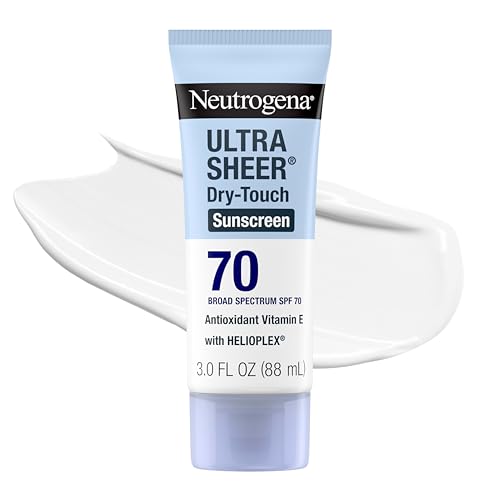
- Lightweight, fast-absorbing sunscreen lotion: With broad spectrum SPF 70 primes skin for makeup and helps improve skin complexion and radiance
- Non-comedogenic sunscreen: Free of oil, oxybenzone, and PABA, in a non-greasy lotion with a smooth, matte finish and a soft-touch feel"
- Antioxidant vitamin E nourishes: While Helioplex technology provides stable broad spectrum protection against UVA/UVB rays and environmental stressors

Last update on 2026-09-14 / Affiliate links / Images from Amazon Product Advertising API
If you have oily skin and want sun protection that won’t make you shiny, Neutrogena Ultra Sheer Dry-Touch Sunscreen SPF 70 is a top pick for 2026. It is lightweight and oil-free. The Dry-Touch formula soaks in fast. It leaves no greasy feel.
Helioplex technology gives you broad spectrum protection. This blocks aging UVA rays and burning UVB rays. Vitamin E helps fight damage from the environment. It is water-resistant for 80 minutes. That makes it good for outdoor fun.
It is non-comedogenic, so it won’t clog pores. It has no oxybenzone or PABA. Put it on 15 minutes before you go outside. Reapply every two hours. Dermatologists trust it.
Best For: People with oily or combination skin. They want light, shine-free sun protection for daily use and outdoor time.
Pros:
- Lightweight and oil-free. It dries fast with no greasy feel.
- SPF 70 with Helioplex gives stable UVA/UVB protection.
- Water-resistant for 80 minutes. No oxybenzone, PABA, or heavy residue.
Cons:
- Can leave a slight white cast or sheen on medium to dark skin.
- Not a mineral sunscreen. Not for people who want physical filters.
- Needs reapplication every two hours. May feel drying on very dry skin.
La Roche-Posay Anthelios Clear Skin SPF 60 Sunscreen

- Face sunscreen for oily skin with broad spectrum SPF 60 protection; Sunscreen absorbs pore clogging oil, even in heat and humidity; Formulated with...
- This daily face sunscreen provides advanced protection while absorbing pore-clogging oil. Our best sunscreen for acne prone skin is formulated with...
- Non-comedogenic sunscreen for sensitive skin provides broad spectrum protection. Oil-free sunscreen for acne prone skin helps absorb excess oil...
Last update on 2026-08-28 / Affiliate links / Images from Amazon Product Advertising API
This sunscreen is a top pick for people with oily or acne-prone skin. The formula is oil-free and lightweight. It soaks up extra oil and cuts down on shine. You get a matte finish that lasts in heat and humidity. It offers SPF 60 broad spectrum protection. Cell-Ox Shield antioxidants help guard against UVA/UVB rays and pollution. The sunscreen is non-comedogenic, so it won’t clog pores. It has no fragrance, Oxybenzone, Octinoxate, or parabens. That means less risk of breakouts or irritation. Use it every day for sun protection without a greasy feel.
Best For: People with oily, acne-prone, or sensitive skin who want a light, matte sunscreen with SPF 60.
Pros:
- Oil-free and light. It absorbs extra oil and cuts shine for a matte look.
- SPF 60 broad spectrum protection. Cell-Ox Shield antioxidants block UVA/UVB rays and pollution.
- Non-comedogenic, no fragrance, and free of Oxybenzone, Octinoxate, and parabens. Lowers the chance of breakouts and irritation.
Cons:
- Small travel size. You may need to buy it often if you use it on your body every day.
- Matte finish can feel dry on normal or combination skin that isn’t oily.
- You might need a strong cleanser at night to wash it off completely because it absorbs oil well.
Neutrogena Clear Face Sunscreen SPF 50 for Acne-Prone Skin
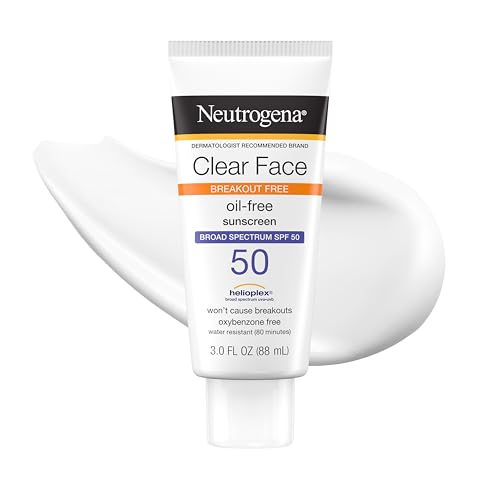
- Designed for acne-prone skin: Broad spectrum SPF 50 facial sunscreen formulated for oily and sensitive skin and reliable UVA/UVB protection while...
- Clear Face formula: Non-comedogenic daily face sunscreen with a lightweight, oil-free texture that absorbs quickly, feels breathable, and is...
- Sunscreen that won't cause breakouts: Oil-free and oxybenzone-free facial sunscreen moisturizer designed to support consistent, daily sun protection...
Last update on 2026-09-15 / Affiliate links / Images from Amazon Product Advertising API
Neutrogena Clear Face Sunscreen SPF 50 works great for oily, acne-prone skin. It is light and oil-free. The formula uses Helioplex technology. This gives you stable SPF 50 protection. It will not clog your pores. It leaves a matte finish. It is free of fragrance and oxybenzone. This helps reduce irritation. The sunscreen is water resistant for up to 80 minutes.
The 3 oz travel bottle makes it easy to reapply every day. It has a 4.6 out of 5 star rating from over 8,600 reviews. Dermatologists recommend it. It helps lower the risk of sun damage and breakouts. Use it for hiking, biking, or your daily routine.
Who it is for: People with oily, acne-prone, or sensitive skin who want a light, non-greasy, matte sunscreen for daily use.
Good points:
- No oil, no fragrance, and no oxybenzone. It won’t clog pores.
- Gives broad spectrum SPF 50 protection against UVA and UVB rays. Stays on for up to 80 minutes in water.
- High ratings and recommended by doctors.
Bad points:
- The 3 oz bottle may run out fast if you use it every day on your face.
- The matte finish might not work for dry skin or if you like a shiny look.
- Ingredients like Avobenzone and Octocrylene can sting very sensitive skin.
Factors to Consider When Choosing Sunscreen for Oily Skin
You’ll want to prioritize a non-comedogenic formula and oil-free ingredients to prevent clogged pores and breakouts. A matte finish option also helps control excess shine throughout the day, while the right water resistance level guarantees long-lasting protection. Finally, choosing a fragrance-free product reduces the risk of irritation, making your sunscreen routine both effective and comfortable.
Non-Comedogenic Formula
Non-comedogenic sunscreens are made to not block your pores. They leave out heavy oils and thick creams. Instead, they use light, water-based ingredients. This helps lower the chance of acne for people with oily skin.
Why does this matter? A non-comedogenic label means real tests were done. People wore the sunscreen on their skin. The tests checked for clogged pores. So you get proof it’s safe.
But no product can promise zero breakouts. Everyone’s skin is different. You might still get a pimple. That’s normal.
A non-comedogenic formula helps your skin control oil. It won’t make your face shiny or feel heavy. This makes it a good choice for your oily skin care routine.
When you pick this type of sunscreen, you protect your skin from the sun. You also help keep your pores clear. That’s a big step for better skin texture and clarity.
Oil-Free Ingredients
Oil-free sunscreens solve a different problem than non-comedogenic ones. Non-comedogenic focuses on not blocking pores. Oil-free focuses on stopping shine and greasiness.
When you pick a sunscreen labeled “oil-free,” you skip added oils like mineral oil or coconut oil. Those oils can clog pores and make your skin look shinier.
Oil-free formulas often use non-comedogenic ingredients. This means they are tested to not block pores. This lowers your risk of breakouts.
Many oil-free sunscreens have powders or silica. These soak up extra oil. Your skin feels less greasy.
You do not get a heavy or sticky texture. These products leave out thick emollients.
But they still have humectants like glycerin. Glycerin adds water without oil. It supports your skin barrier without adding shine.
This makes oil-free sunscreen a good choice for oily skin.
Matte Finish Options
Most matte finish sunscreens use oil-absorbing powders like silica or starch. These powders reduce shine during the day. Gel-based or dry-touch formulas work best. They have less greasy ingredients. Look for labels that say non-comedogenic. These sunscreens give a matte look and do not clog pores. This is great for oily skin.
For shine control in humidity, choose sunscreens with dimethicone. This ingredient creates a light barrier. It keeps matte coverage in place without trapping oil. Powder-based sunscreens, loose or pressed, soak up surface oil fast. They give you an instant matte look. You can reapply them easily on the go.
Water Resistance Level
Water resistance matters for oily skin, especially during exercise or on humid days. It tells you how long sunscreen stays on when you swim or sweat. Common ratings are 40 minutes and 80 minutes.
For oily skin, choose an 80-minute water-resistant formula. It keeps even coverage and does not wash off quickly during workouts.
Higher water resistance often means thicker sunscreen. This can feel heavier on your skin. You need to find a good mix between sun protection and texture.
Fragrance-Free Choice
A fragrance-free sunscreen is a good choice for oily skin. These products have no artificial scents. Artificial scents can clog pores and cause breakouts. They can also make your skin produce more oil.
Fragrance-free sunscreens use mild preservatives. These keep the product fresh without irritating your skin. This lowers your chance of allergic reactions that look like acne.
These sunscreens also go through more skin testing. The formula will not upset your skin’s natural oil balance. You will know if a new bump comes from irritation or your sunscreen.
Frequently Asked Questions
Does SPF 70 Truly Last Longer Than SPF 50?
No, SPF 70 doesn’t truly last longer than SPF 50. You’ll still need to reapply every two hours for full protection. Higher SPF filters slightly more UVB, but it’s not a time-extender.
Can I Use These Sunscreens as a Makeup Primer?
Yes, you can use them as a primer—they mattify and smooth your skin. They won’t pill under makeup, so don’t worry about layering. Just let one fully absorb first.
How Often Should I Reapply on an Oily Face?
You’ll reapply every two hours, or more often if you’re sweating or touching your face. Don’t wait for it to feel greasy; oily skin still needs that protection.
Will These Products Clog Pores or Cause Breakouts?
You’re worried these sunscreens will clog pores, but most are non-comedogenic. Stick to gel or mineral formulas; they won’t cause breakouts. Just check the label to be sure.
What Is the Best Way to Remove These Sunscreens at Night?
You’ll want an oil-based cleanser first to dissolve the sunscreen, then follow with your regular water-based cleanser. This double cleanse guarantees you won’t clog pores.