
If you have oily, acne-prone skin, finding a sunscreen that won’t clog pores or leave you greasy is a real challenge. You need formulas that control shine, absorb excess oil, and sit invisibly on your skin. Here are three top contenders for 2026, each with specific trade-offs you should know about before you buy.
Neutrogena Clear Face Sunscreen SPF 50, 3 oz
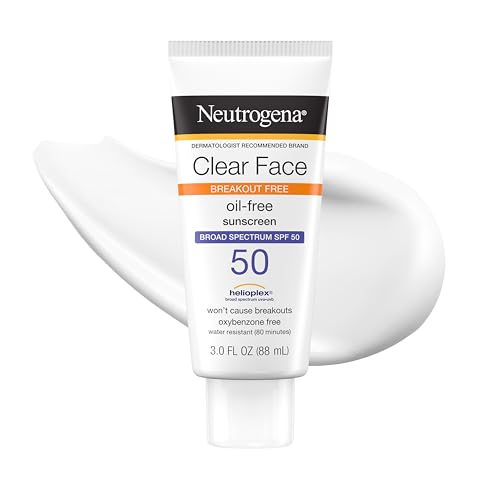
- Designed for acne-prone skin: Broad spectrum SPF 50 facial sunscreen formulated for oily and sensitive skin and reliable UVA/UVB protection while...
- Clear Face formula: Non-comedogenic daily face sunscreen with a lightweight, oil-free texture that absorbs quickly, feels breathable, and is...
- Sunscreen that won't cause breakouts: Oil-free and oxybenzone-free facial sunscreen moisturizer designed to support consistent, daily sun protection...

Last update on 2026-08-01 / Affiliate links / Images from Amazon Product Advertising API
If your skin is oily and gets breakouts, Neutrogena Clear Face Sunscreen SPF 50 is a great pick. It gives strong sun protection and leaves a matte finish. This means your face won’t look shiny. The formula is lightweight and has no oil. It won’t clog your pores.
It uses Helioplex technology. This keeps the sunblock stable and effective. It blocks both UVA and UVB rays. The sunscreen has no fragrance and no oxybenzone. That helps if your skin gets irritated easily.
The 3 oz bottle is small. You can put it in your bag. It’s easy to reapply during the day. It stays on for 80 minutes in water. So you can swim or hike without worrying about breakouts.
More than 8,600 users gave it 4.6 stars. Dermatologists recommend it. It helps keep your skin clear and lowers your risk of sun damage and aging.
Best For: Oily, acne-prone, and sensitive skin. People who want oil-free, non-comedogenic SPF 50 with a matte look.
Pros:
- SPF 50 blocks UVA and UVB rays with Helioplex for stable protection.
- Oil-free, fragrance-free, and lightweight with a matte finish. Won’t clog pores.
- Water-resistant for 80 minutes. Small 3 oz bottle fits in a bag for quick reapplies.
Cons:
- Can leave a slight white cast on darker skin tones because of the matte finish.
- Needs good blending to avoid streaks or residue on facial hair.
- Some users say it pills under makeup or certain moisturizers.
Eucerin Sun Clear Skin SPF 50 Sunscreen Lotion

- HSA ELIGIBLE/FSA ELIGIBLE SUNSCREEN: Includes one 2.5 fluid ounce bottle of Eucerin Sun Clear Skin Face Sunscreen SPF 50
- OILY SKIN CONTROL: Eucerin sunscreen enriched with 5 antioxidants (Glycyrrhetinic Acid, Licochalcone A, Vitamin E, Vitamin C, Oxynex ST) and...
- LIGHTWEIGHT SUNSCREEN WITH MATTE FINISH: Lightweight sunscreen for face provides an immediate, long-lasting matte finish, and suitable for daily...
Last update on 2026-08-01 / Affiliate links / Images from Amazon Product Advertising API
Best For: People with oily, acne-prone, or sensitive skin. They need a light daily sunscreen that feels dry and smooth, not sticky. It also offers strong protection from the sun.
Pros:
- Contains special powders that soak up oil. This gives your skin a matte look, so it is not shiny.
- Made by skin doctors. It is safe for sensitive skin and will not clog your pores.
- No common irritants. It has no scent, dyes, parabens, oxybenzone, or octinoxate.
Cons:
- You must shake the bottle well before use. The minerals can settle. If you do not, it might leave a white, powdery look on your skin.
- Only comes in one small bottle. This may not be a good deal if you use a lot of sunscreen every day.
- The matte finish might not last all day on very oily skin in hot, wet weather. You may need to reapply it.
La Roche-Posay Anthelios Clear Skin SPF 60 Sunscreen

- Face sunscreen for oily skin with broad spectrum SPF 60 protection; Sunscreen absorbs pore clogging oil, even in heat and humidity; Formulated with...
- This daily face sunscreen provides advanced protection while absorbing pore-clogging oil. Our best sunscreen for acne prone skin is formulated with...
- Non-comedogenic sunscreen for sensitive skin provides broad spectrum protection. Oil-free sunscreen for acne prone skin helps absorb excess oil...
Last update on 2026-08-01 / Affiliate links / Images from Amazon Product Advertising API
What This Sunscreen Does
This sunscreen is a great pick if you have oily or acne-prone skin. It gives you reliable sun protection every day without causing extra irritation. The formula is oil-free and covers you from UVA and UVB rays. It also has Cell-Ox Shield antioxidants to fight damage from the sun and the environment.
You will like the dry-touch finish. It soaks up extra oil that can clog your pores. It cuts down on shine and helps prevent breakouts, even when it is hot or humid. This product is non-comedogenic, which means it won’t clog your pores. It has no fragrance. It is also free of oxybenzone, octinoxate, and parabens. The sunscreen feels light and not greasy. It won’t bother sensitive skin. For a matte, shine-free look that lasts all day, this SPF 60 is a solid choice.
Best For
People with oily, acne-prone, or sensitive skin. Anyone who needs a daily sunscreen that won’t irritate and leaves a matte finish.
Pros
- Oil-free and non-comedogenic. It absorbs extra oil and reduces shine for a matte look.
- Broad-spectrum SPF 60 protection. Uses Cell-Ox Shield antioxidants. No oxybenzone or octinoxate.
- Lightweight and fragrance-free. Gentle on sensitive skin. Works well in hot or humid weather.
Cons
- Might leave a slight white cast on darker skin tones because of mineral filters.
- Travel-sized bottle. You may need to buy it often if you use it on your whole body every day.
- Some people find the dry-touch texture too drying if their skin is already dry.
Factors to Consider When Choosing Sunscreen for Oily, Acne-Prone Skin
When choosing a sunscreen for oily, acne-prone skin, you need to prioritize an oil-free formulation and non-comedogenic ingredients to avoid clogging your pores. You should also look for broad spectrum protection to shield your skin from UVA and UVB rays, while a matte finish performance helps control shine throughout the day. Finally, don’t forget sensitive skin safety, as many sunscreens can trigger irritation, so opt for formulas that calm rather than aggravate your breakouts.
Oil-Free Formulation
Choose an oil-free sunscreen for oily, acne-prone skin. These formulas don’t have added oils. Oils can clog pores and cause breakouts. Instead, they use light bases like water or silicone. This gives a matte finish. There is no greasy shine.
Oil-free sunscreens absorb quickly. They don’t leave a sticky layer that traps dirt or bacteria. That lowers the chance of blackheads and whiteheads. Active ingredients like avobenzone or octocrylene block UV rays without adding weight. Picking oil-free sunscreen helps your skin stay clear and healthy.
Non-Comedogenic Ingredients
Non-comedogenic ingredients are key for clear skin. A sunscreen labeled “non-comedogenic” has been tested. It will not clog your pores. This helps stop breakouts before they start.
Avoid heavy oils like coconut oil or cocoa butter. These can trap oil and cause pimples. Instead, choose lightweight ingredients like dimethicone or silica. They soak up extra oil without blocking your skin.
Water-based gels or lotions are the best choice. They use very few pore-clogging oils or waxes. These sunscreens often mix oil-free bases with non-comedogenic technology. You get sun protection without the greasy feel.
Focus on these ingredients. Your pores stay clear. Your skin stays balanced.
Broad Spectrum Protection
Oily, acne-prone skin needs broad spectrum protection. SPF alone blocks UVB rays. But UVA rays go through clouds and glass. They make hyperpigmentation and red marks worse. UVA rays tell your skin to make more melanin. This darkens acne spots.
Use a broad spectrum SPF 50 or higher. It blocks at least 98% of UVB rays. It also gives balanced UVA coverage. This helps prevent skin cancer and early aging. The FDA says “broad spectrum” products must pass a test at 370 nm or higher. This ensures good UVA defense.
Without it, your acne marks get darker. Look for avobenzone or zinc oxide. These ingredients block UVA rays. Do not skip protection on cloudy days. Your skin health and even tone depend on it.
Matte Finish Performance
A matte finish sunscreen protects your skin from the sun. It also stops midday shine. This is great for oily or acne-prone skin.
The sunscreen absorbs extra oil. It does not dry out your skin. Look for ingredients like oil-absorbing powders or silica. These bind to sebum. They stop your face from looking greasy or shiny.
A lightweight, non-greasy lotion dries fast. It leaves no sticky layer behind. You can test how well it works by seeing how long it controls shine. Good options last for hours. You do not need to reapply during normal daily activities.
Ingredients like dimethicone create a smooth layer. This layer spreads light and controls oil. Even in heat or humidity, a good matte sunscreen stays in place. It keeps your makeup looking fresh. It also stops pores from getting clogged.
Sensitive Skin Safety
Why does sensitive, acne-prone skin need extra care with sunscreen? You already deal with breakouts and redness. A bad sunscreen can cause a rash or make acne worse.
Start by looking for “fragrance-free” on the bottle. Perfumes are common skin irritants. Choose hypoallergenic options. These are tested for skin reactions and are safer.
Say no to oxybenzone. This chemical can irritate skin. Mineral sunscreens are a better choice. They are gentler on your face.
Pick a non-comedogenic sunscreen. This type won’t clog your pores. It helps lower your chance of breakouts.
Avoid PABA and parabens. These can harm your skin barrier over time.
Stick to these four rules: fragrance-free, hypoallergenic, no oxybenzone, and non-comedogenic. You protect your sensitive skin. You keep acne under control.
Water Resistance Duration
You only need water resistance in sunscreen if you plan to swim, sweat a lot, or stay outside for a long time. For daily wear, you do not need it.
When you do need it, check the label. Look for “water resistant (80 minutes)”. This means the sunscreen passed FDA tests. It kept its SPF after two 20-minute sessions in water.
Some sunscreens say 40 minutes. These work, but you must reapply more often during activity.
Reapply right after the water resistance time ends. Do not rely on the sunscreen past that time. You will lose UV protection.
Pick 80-minute formulas for heavy sweat or swimming. Skip water resistance for standard indoor days.
Lightweight Texture Preference
After you pick the right water resistance for your activity, focus on texture. A lightweight feel is best for oily or acne-prone skin.
Lightweight sunscreen spreads easily. It does not leave a sticky, heavy layer. Non-greasy, water-thin formulas soak in fast. This helps stop clogged pores and breakouts.
Matte-finish options control shine during the day. They do not add extra oil. For daily use, choose a fluid or lotion. These blend well under makeup.
Many light sunscreens use silica or oil-absorbing minerals. These prevent a shiny look on acne-prone skin. Picking a texture that feels weightless helps you apply it evenly. Your skin stays comfortable, balanced, and fresh.
Antioxidant Benefits
Antioxidants in sunscreen do more than protect your skin. They help stop breakouts and calm redness.
When UV rays hit your skin, they create free radicals. These tiny particles cause inflammation and make acne worse. Antioxidants like vitamin C and vitamin E stop free radicals from doing that damage.
Look for ingredients from licorice root. Licochalcone A calms redness and irritation. This is great for acne-prone skin. Glycyrrhetinic acid is another licorice ingredient. It helps repair skin and lowers stress from sun damage.
Sunscreens with several antioxidants work better. They block more types of free radicals. This gives you extra sun protection. It also stops UV rays from breaking down collagen. That means less early aging, without making oily skin worse.
You get two benefits at once. The sunscreen stops sunburn. It also calms acne inflammation. Pick a formula that lists these ingredients near the top. That gives you the most protection.
Frequently Asked Questions
Can These Sunscreens Be Used Under Makeup?
Yes, you can absolutely use these under makeup. They’re lightweight and absorb quickly, so they won’t pill or feel greasy. Just let them dry for a minute before applying your foundation for a flawless finish.
How Long Does One Bottle Typically Last With Daily Use?
You’ll typically get about a month from one standard bottle with daily use. Don’t skimp—apply a quarter-sized amount each time to your face and neck for full protection.
Are Any of These Sunscreens Reef-Safe?
You’ll find most of these sunscreens are reef-safe, but you must check the label. Don’t assume; look for “reef-safe” or non-nano zinc oxide to protect your skin and the ocean.
Do These Sunscreens Leave a White Cast on Darker Skin Tones?
You’ll find that many don’t leave a white cast, but you must check for zinc oxide or titanium dioxide. They often need a micronized version to avoid that ghostly effect.
Can I Use These Sunscreens on Broken Acne Lesions?
You can use these sunscreens on broken acne lesions, but you’ll want to avoid any stinging. Stick to mineral formulas with zinc oxide, as they’re gentler and won’t irritate your skin.
