
When you have lupus, choosing a sunscreen isn’t about cosmetics—it’s about avoiding a painful UV reaction. Your skin needs mineral filters, not chemical ones. You also want ingredients that calm, not irritate. The right formula can make a major difference. Let’s look at three top contenders for 2026, starting with a standout that leaves zero white cast.
CeraVe Invisible Mineral Sunscreen SPF 50 Travel Size
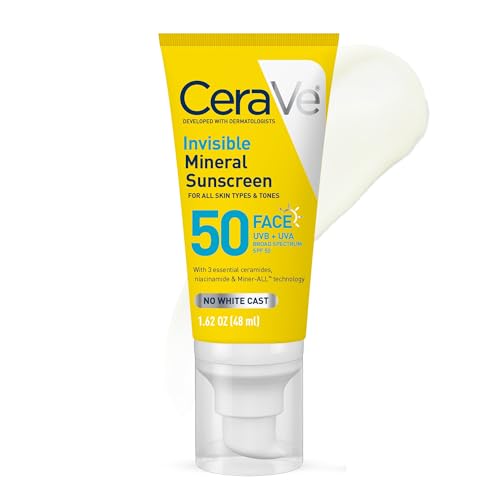
- [ INVISIBLE MINERAL SUNSCREEN FOR FACE ] Mineral sunscreen for all skin tones and skin types, offers 100% invisible finish and protection against...
- [ MINERAL SUNSCREEN APPLICATION ] High protection mineral sunscreen for face with no white cast. Shake well before use. Apply product generously to...
- [ GENTLE FORMULA ] Formula is fragrance free; noncomedogenic; and suitable for sensitive and acne-prone skin. Provides protection against UVA/UVB rays...

CeraVe Invisible Mineral Sunscreen SPF 50 Travel Size
Do you have lupus-prone or sensitive skin? Finding a sunscreen that doesn’t leave a white cast can be hard. This one solves that problem.
CeraVe Invisible Mineral Sunscreen SPF 50 uses zinc oxide and titanium dioxide. These are mineral filters. They block UV rays without irritation. There is no white cast. The finish is invisible.
This sunscreen is fragrance-free. It won’t clog pores. It feels gentle on skin. The formula contains three essential ceramides. These help repair your skin’s barrier after sun exposure.
Apply it 30 minutes before going outside. Use a generous amount. You can wear makeup on top. It works under a beard too. It is a good daily option.
Best For: People with sensitive, lupus-prone, or acne-prone skin. It works for anyone who needs mineral sunscreen that stays invisible and non-irritating.
Pros:
- No white cast. Zinc oxide and titanium dioxide blend in completely.
- Fragrance-free and noncomedogenic. Safe for sensitive and acne-prone skin.
- Three ceramides help restore the skin’s natural barrier.
Cons:
- Only comes in a 1.62 oz travel size. You may need to buy it often for daily use.
- You must wait 30 minutes after applying before going in the sun.
- The mineral texture can feel thick. You may need to blend it well.
Blue Lizard Sensitive Mineral Sunscreen SPF 50
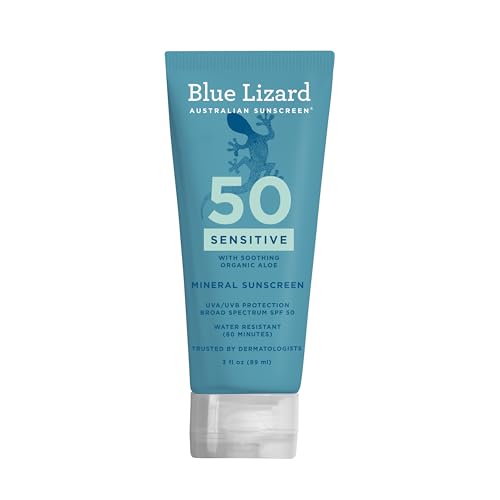
- POWERFUL MINERAL SUNSCREEN - Protect sensitive skin from the sun’s harmful rays with Blue Lizard Sensitive Mineral SPF 50 Sunscreen Lotion it...
- SPF 50 BROAD SPECTRUM PROTECTION - The water-resistant formula provides broad spectrum protection and helps protect skin from up to 98% of UVB rays.
- FORMULATED FOR SENSITIVE SKIN - Developed specifically for sensitive skin, the hypoallergenic formula is also paraben-free and fragrance-free.
Blue Lizard Sensitive Mineral Sunscreen SPF 50 is a great pick for people with lupus. It gives strong, broad-spectrum protection against UVA and UVB rays. The active ingredients are Zinc Oxide and Titanium Dioxide. These minerals block 98% of UVB rays.
The sunscreen is water-resistant for 80 minutes. That means you can swim or sweat without losing protection right away. It is hypoallergenic and has no fragrance. This helps prevent skin irritation. Organic Aloe Vera is in the formula to calm and moisturize sensitive skin.
The bottle has Smart Cap Technology. It changes color when exposed to UV light. This reminds you to reapply. The sunscreen is also reef-friendly. It does not contain Oxybenzone or Octinoxate.
To use it, shake the bottle well. Put on a generous amount 15 minutes before going outside. Dermatologists have trusted this brand for over 20 years.
Best for: People with sensitive skin conditions like lupus. They need a gentle, non-irritating mineral sunscreen with dependable broad-spectrum protection.
Pros:
- Blocks 98% of UVB rays using Zinc Oxide and Titanium Dioxide.
- Hypoallergenic, fragrance-free, and has organic Aloe Vera to soothe skin.
- Reef-friendly and has Smart Cap Technology that changes color as a reapply reminder.
Cons:
- May stain clothes because of the mineral ingredients.
- Needs to be shaken well and applied 15 minutes before sun exposure to work best.
- Only lasts 80 minutes in water. You must reapply often after swimming or sweating.
La Roche-Posay Anthelios Melt-In Milk Sunscreen SPF 100

- This travel size sunscreen is non-sealed
- SPF 100 sunscreen for face and body, specifically formulated to help protect skin that burns easily.
- Oxybenzone and Octinoxate-free sunscreen for body & face helps protect sun-sensitive skin and skin prone to burning from UVA (aging) and UVB (burning...
La Roche-Posay Anthelios Melt-In Milk Sunscreen SPF 100 is a top choice if your skin burns easily and reacts fast. It gives you the strongest sun protection. SPF 100 blocks both UVA and UVB rays.
This sunscreen is oil-free and light. It sinks into your skin quickly. It does not leave a white layer. You can put makeup on top of it. It will not irritate your skin. It has no oxybenzone or octinoxate. Vitamin B5 calms your skin as it protects.
It stays on for 80 minutes in water or when you sweat. This makes it good for active days. To stay safe, put it on again every two hours.
Best For: People with skin that burns easily and reacts to the sun. They need the strongest protection that is gentle, fast, and water-resistant.
Pros:
- SPF 100 blocks the most UVA and UVB rays for burn-prone skin.
- Light, oil-free formula sinks in fast. No white color. Works well under makeup.
- Has soothing Vitamin B5. No oxybenzone or octinoxate to cause redness.
Cons:
- Some people feel it is thick or greasy, even if it says “melt-in.”
- You must put it on again every two hours or after swimming or sweating.
- No seal or travel size. This may worry some people about cleanliness or portability.
Factors to Consider When Choosing Sunscreen for Lupus Skin
To choose the right sunscreen for lupus skin, you’ll want to prioritize mineral ingredients like zinc oxide or titanium dioxide, as they physically block UV rays without irritating sensitive skin. A high SPF value of 50 or greater is also essential, providing reliable protection against sun exposure that can trigger lupus flares. Additionally, you should look for fragrance-free, non-comedogenic formulas with adequate water resistance, ensuring the product stays effective without clogging pores or causing further reactions.
Mineral Ingredients Preferred
For lupus, mineral sunscreens are the best choice. They contain zinc oxide and titanium dioxide. These ingredients sit on top of your skin. They block UVA and UVB rays right away.
You do not need to wait 20 to 30 minutes. Chemical sunscreens need that wait time. Mineral sunscreens work the second you put them on. This is key for lupus, because the sun can cause a reaction right away.
Zinc oxide covers a wide range. It blocks UVA1, UVA2, and UVB rays. These are common triggers for lupus. Titanium dioxide blocks UVB and some UVA rays. It is not as strong against longer UVA1 rays.
These minerals are inert. They do not soak into your skin. This lowers the risk of irritation or allergies. That makes them a safe, gentle choice for sensitive lupus skin.
High SPF Value
SPF value matters a lot when you pick sunscreen for lupus skin. Choose products with SPF 50 or higher. SPF 50 blocks about 98% of UVB rays. SPF 30 blocks about 97%. That extra 1% gives you meaningful protection. Your skin is very sensitive to UV light. High SPF lowers the chance of a disease flare or a photosensitivity reaction.
But SPF only measures UVB protection. You also need broad-spectrum coverage. This blocks UVA rays fully. UVA rays can cause photo-induced damage. SPF 100 blocks about 99% of UVB rays. SPF 50 blocks 98%. The small gain does not replace consistent application.
Even brief, low-level UV exposure can cause skin lesions or systemic symptoms. Use a high-SPF, broad-spectrum sunscreen every day. This gives you reliable defense.
Fragrance-Free Formulas
Fragrance-free sunscreen is a good choice after you pick a high SPF, broad-spectrum product.
Fragrances are common contact allergens. They can trigger photosensitivity and skin flares in up to 70% of lupus patients. Even natural scents like essential oils can hurt your already damaged skin barrier. Your skin has chronic inflammation and is sensitive to UV light.
Choosing fragrance-free lowers your risk of photocontact dermatitis. This is a severe rash that happens when UV light reacts with allergens on your skin.
Know the difference: “fragrance-free” means no masking scents or essential oils. “Unscented” may still have hidden irritants.
Dermatologists recommend fragrance-free sunscreens. Your skin’s immune response is hyperactive. It reacts easily to chemical additives.
Stick with truly fragrance-free options. This helps reduce irritation and protects your sensitive lupus skin.
Water Resistance Duration
Your lupus skin is very sensitive to the sun. So pick a sunscreen that says “80-minute water resistant.” This gives you longer protection when you swim or sweat a lot.
Remember, no sunscreen is truly waterproof or sweat-proof. The FDA tests them to keep their SPF for 40 or 80 minutes in water. For a 40-minute sunscreen, the test checks SPF after two 20-minute dips.
After you towel dry, you must put on more sunscreen. Towel drying wipes the product off. It also resets the water resistance clock to zero. So always reapply right away.
Sticking to the labeled time is key to prevent lupus flares caused by the sun. Do not rely on one coat for long water play. Choose 80-minute for solid protection. Then reapply as the label says.
Non-Comedogenic Options
When you pick a sunscreen for lupus skin, look for a “non-comedogenic” label. This means the product will not clog your pores. That is very important for lupus patients. Your skin is often sensitive, and some treatments can cause acne. A non-comedogenic sunscreen helps stop breakouts on already stressed skin.
Mineral sunscreens work best. They use zinc oxide or titanium dioxide. These ingredients rarely go into pores. This choice keeps your skin clear and blocks UV rays. UV protection helps prevent lupus flares.
Many non-comedogenic sunscreens are also fragrance-free and hypoallergenic. This means they have fewer extra irritants. These sunscreens balance pore safety with sun defense. They are a good part of your daily routine.
Frequently Asked Questions
Does Mineral Sunscreen Expire Faster Than Chemical Sunscreen?
No, mineral sunscreen doesn’t expire faster than chemical sunscreen. Both typically last three years. You should always check the expiration date, as old sunscreen loses its protective power for your lupus skin.
Can I Use a Tinted Mineral Sunscreen for Better Coverage?
Yes, you can use a tinted mineral sunscreen for better coverage. It hides redness and provides added protection against visible light, which is essential for lupus skin.
How Often Should I Reapply Sunscreen Indoors Near Windows?
You need to reapply every two hours, even indoors near windows. UV rays penetrate glass, so don’t skip this. Set a timer—your skin’s protection demands it.
Will SPF 100 Sunscreen Cause More Skin Irritation Than SPF 50?
You won’t find SPF 100 more irritating than SPF 50. Both protect equally; higher SPF just lasts slightly longer. Always choose a mineral-based, fragrance-free formula for your lupus-sensitive skin.
Is There a Sunscreen Safe for Use on Active Lupus Rashes?
Yes, you can use mineral sunscreens with zinc oxide or titanium dioxide on active lupus rashes. They’re less irritating and provide physical protection. Always patch test first, though.
Last update on 2026-06-20 / Affiliate links / Images from Amazon Product Advertising API