
If you’re managing oily skin in 2026, choosing the right face wash is essential for balancing sebum without stripping your barrier. Three top contenders consistently outperform the rest. You might already recognize CeraVe’s gentle foaming cleanser, but you’ll want to see how it stacks up against La Roche-Posay’s targeted formula and Biore’s deep-purging charcoal option before you decide.
CeraVe Foaming Facial Cleanser for Oily Skin
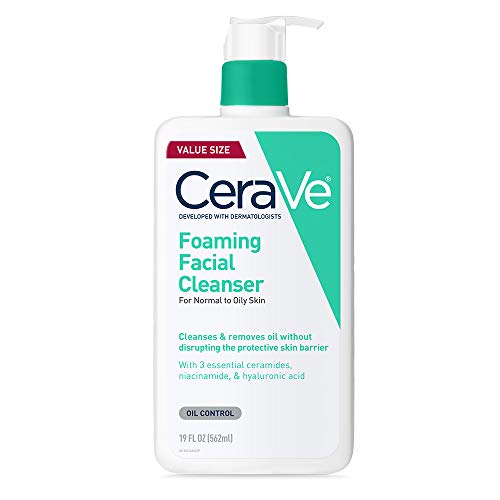
- [ FOAMING FACE WASH ] Oily skin cleanser dispenses as a clear gel cleanser and transforms into a foam as you lather. Cleanses without leaving skin...
- [NON- DRYING FACE CLEANSER] Fragrance-free, non-comedogenic, non-drying, and non-irritating. Gently refreshes and effectively removes excess oil...
- [ MULTI-USE FOAMING CLEANSER ] Foam cleanser for face and/or body and can be used as a hand wash. Suitable for daily cleansing morning (AM) and night...

Last update on 2026-09-14 / Affiliate links / Images from Amazon Product Advertising API
CeraVe Foaming Facial Cleanser for Oily Skin
Do you have oily skin that feels greasy by lunchtime? But then harsh cleansers leave your face tight and irritated? The CeraVe Foaming Facial Cleanser is a great pick for you.
This cleanser starts as a gel. Then it turns into a soft foam. It takes off extra oil and makeup. But it does not strip your skin. It is non-comedogenic. That means it will not clog your pores. It also has no fragrance, so it will not cause irritation.
The cleanser has three essential ceramides. These help support your skin barrier. It also has hyaluronic acid for hydration. Niacinamide is in it too, to calm irritation. Use it morning and night. You can use it on your face, body, or hands. Your skin will feel fresh and balanced.
Best For: Oily skin that gets greasy by midday but gets tight or irritated with strong cleansers.
Pros:
- Made with dermatologists. Contains three essential ceramides to help your skin barrier.
- Removes extra oil and makeup well. Does not dry out your skin.
- Non-comedogenic and fragrance-free. Includes niacinamide to calm irritation.
Cons:
- The 19-fluid ounce bottle is big. It might be too bulky for travel or small bathrooms.
- It is a gel-to-foam cleanser. Some people want a rich, creamy lather, but this does not foam much.
- It could be too gentle for very oily skin that needs stronger oil control.
La Roche-Posay Effaclar Purifying Foaming Gel Cleanser
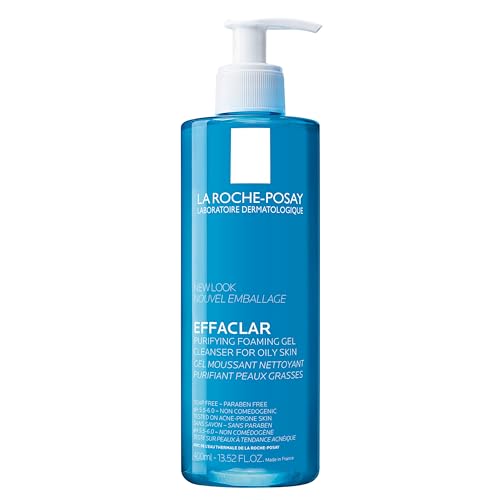
- This daily facial cleanser for oily skin with zinc pidolate effectively cleanses away dirt and oil while respecting skin's pH balance.
- Dermatologist tested daily face wash cleanses and purifies skin without over drying. Tested on acne-prone skin (non-comedogenicity test).
- Foaming cleanser formulated with Zinc Pidolate: Known for its purifying properties to help remove excess oil
Last update on 2026-09-13 / Affiliate links / Images from Amazon Product Advertising API
La Roche-Posay Effaclar Purifying Foaming Gel Cleanser
If your skin gets oily but also feels sensitive, this cleanser is a great pick. It uses Zinc PCA to wash away extra oil and shine. But it won’t strip your skin’s natural protection.
This formula is soap-free, paraben-free, and alcohol-free. That makes it gentle enough to use morning and night. It’s also dermatologist tested and non-comedogenic. That means it won’t clog pores or cause breakouts.
How to use it: Wet your face. Squeeze a little gel into your hands. Massage it into a rich lather. Then rinse well.
La Roche-Posay is trusted by over 25,000 dermatologists. This cleanser gives you a clean, balanced feeling.
Best For: People with oily and sensitive skin. It works well for daily use.
Pros:
- Zinc PCA controls oil without drying skin
- No soap, parabens, or alcohol – gentle for twice-daily use
- Won’t clog pores; safe for acne-prone and sensitive skin
Cons:
- May feel a little drying if your skin is very dry
- Contains fragrance – can bother very sensitive skin
- Costs more than some basic drugstore cleansers
Biore Deep Pore Charcoal Face Wash, 6.77 Oz
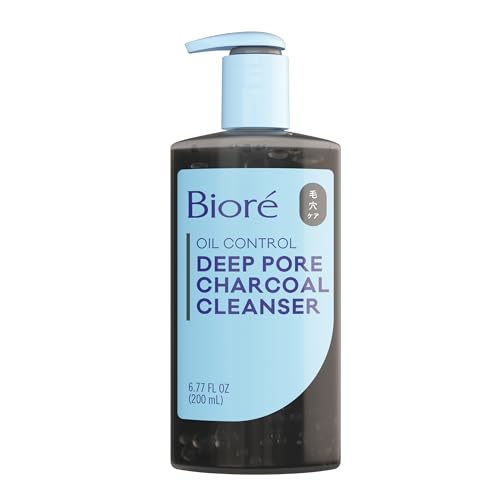
- PURIFY YOUR PORES NATURALLY - This cleanser contains natural charcoal & deep cleans your pores with its oil-trapping power for balanced purification.
- CLEANER FEELING SKIN - Our innovative daily cleanser foams white as it purifies pores, then rinses clean to leave skin clean and tingly smooth.
- DRAW OUT IMPURITIES - Infused with natural charcoal, our skin purifying cleanser deep cleans 2x better than a basic cleanser.
Last update on 2026-09-14 / Affiliate links / Images from Amazon Product Advertising API
Biore Deep Pore Charcoal Face Wash is a daily cleaner for oily skin. It uses natural charcoal to pull dirt and oil out of your pores. This makes it two times stronger than a basic face wash.
The foam starts white. As you rub it on your face, it cleans deep. Then it rinses off clean. Your skin feels tingly and fresh. This wash does not dry out your skin. It removes dirt, oil, and makeup. It gets to the root of oily skin problems.
Dermatologists tested it. You can use it every day. Your skin will look smoother and healthier. The bottle is 6.77 ounces.
Best For: People with oily skin who want a daily face wash that cleans deep and does not dry out their skin.
Pros:
- Natural charcoal traps dirt and oil. It works twice as well as basic cleansers.
- The foam rinses clean. It leaves your skin tingly, fresh, and smooth.
- Dermatologist tested. It works daily on clogged pores without stripping your skin.
Cons:
- It may be too strong for sensitive or dry skin.
- Some people may not like the tingling feeling after use.
- The 6.77 oz bottle is small. You may need to buy it often if you use it every day.
Factors to Consider When Choosing Face Wash for Oily Skin
You need to evaluate the cleanser’s formulation type and key active ingredients like salicylic acid or glycolic acid, as these directly affect oil control efficacy. Check for non-comedogenic properties to prevent pore clogging, and guarantee the product maintains your skin’s pH balance to avoid over-drying. These factors will help you select a face wash that effectively manages excess oil without causing irritation.
Cleanser Formulation Type
Choosing the right face wash for oily skin starts with the formula type. A gel-based cleanser works best. It creates a rich foam that lifts and removes extra oil. This type does not add heavy oils to your skin.
Foaming gel cleansers use ingredients like sodium laureth sulfate. These ingredients break down surface oil and dirt. They give you a deep, clean feeling.
The pH level also matters. Your skin has a natural pH around 5.5. A cleanser close to this level protects your moisture barrier. It stops irritation while controlling oil.
Look for “non-comedogenic” on the label. This means the product won’t clog your pores. Clogged pores cause breakouts, so this is key.
Water-based gel formulas avoid extra oils. They dissolve dirt and sweat. Your skin feels fresh and clean, not greasy.
Key Active Ingredients
Key active ingredients in a face wash control oil and stop breakouts.
Salicylic acid is one. It is a beta-hydroxy acid. It goes deep into pores. It removes dead skin cells. It reduces breakouts.
Niacinamide helps too. It calms skin. It lowers inflammation. It strengthens your skin barrier. This controls oil.
Zinc compounds like Zinc PCA stop extra oil. They block enzymes that make sebum.
Charcoal works as a sponge. It traps dirt, oil, and impurities on your skin’s surface.
Hyaluronic acid adds light moisture. This stops your skin from making too much oil when it gets dry.
The right mix of these ingredients keeps your skin balanced.
Oil Control Efficacy
Picking a face wash for oily skin is about oil control. The goal is to remove extra oil without hurting your skin’s barrier. A good cleanser takes off excess sebum but keeps moisture in place.
Ingredients like salicylic acid and niacinamide help. They cut down oil production and reduce shine all day. Science backs this up. Foaming or gel-based cleansers work better than cream or lotion ones for oily skin. They remove sebum more effectively.
Studies show that using an oil-control cleanser every day can lower surface oil by up to 50% after four weeks. You also want a non-comedogenic and pH-balanced formula. This keeps your skin from making too much oil after washing. Focus on these points to get lasting oil balance without irritation.
Skin pH Balance
Your skin has a natural pH balance. Healthy skin is slightly acidic. It sits between 4.5 and 5.5. This acidity protects your skin from bacteria and irritation.
When you pick a face wash for oily skin, check the pH. A cleanser with a pH above 6.0 will disturb your skin’s acid mantle. This triggers more oil and can cause breakouts.
Choose a pH-balanced face wash around 5.0 to 5.5. This keeps your skin barrier strong. It also reduces water loss.
Do not believe the myth that oily skin needs harsh, alkaline cleansers. These cleansers raise your skin’s pH for hours. It takes a long time for your skin to return to normal.
Worse, harsh formulas strip your skin. Your skin then over-produces oil to compensate. This makes your oily skin worse.
A gentle, pH-balanced cleanser works better. It keeps your skin barrier healthy. It also controls oil production.
Non-Comedogenic Properties
Why Non-Comedogenic Matters for Oily Skin
When you pick a face wash for oily skin, look for a label that says “non-comedogenic.” This is a big deal because non-comedogenic products do not clog your pores. Clogged pores lead to breakouts. A clear follicle means less acne and oil buildup.
Some ingredients are bad for oily skin. Heavy oils, silicones, and certain waxes are common culprits. They block pores and make oiliness worse. That is why you need to check the label. The term “non-comedogenic” tells you the product scored a zero on a 0 to 5 pore-clogging test. Scientists test this on people to make sure it is safe.
Do not think “oil-free” or “water-based” means it is safe. Some of these products still have pore-clogging emulsifiers or thickeners. Always read the ingredients list.
A non-comedogenic face wash keeps your pores clean. This helps treatments like salicylic acid work better. The acid can go deeper into your skin for faster results.
Make non-comedogenic your priority. It stops hidden irritants from ruining your skincare routine.
Daily Usage Routine
Wash your face two times each day. Do it once in the morning and once at night. This helps control extra oil and keeps pores clear.
Your nighttime wash is important. It removes oil, sweat, makeup, and dirt from your day. Your morning wash refreshes your skin. It clears away overnight oil. This also gets your face ready for moisturizer or sunscreen.
Do not wash your face more than two times a day. Washing too much strips away natural oils. This can make your skin produce even more oil to make up for it.
A simple routine keeps oil levels balanced. It stops clogged pores and breakouts. It also protects your moisture barrier. Stick to this schedule. It manages shine and keeps your skin healthy.
Frequently Asked Questions
Can Foaming Cleansers Dry Out Oily Skin Over Time?
Yes, foaming cleansers can dry out your oily skin over time. They often strip natural oils, triggering more oil production as compensation. You’ll damage your moisture barrier, so choose gentler formulas instead.
How Often Should I Wash My Oily Face Daily?
Wash your oily face twice daily—morning and night. Don’t overdo it, though; scrubbing more often strips natural oils, causing rebound shine. Stick to this routine for balanced skin.
Will Charcoal Face Wash Clog Non-Oily Pores?
No, charcoal won’t clog non-oily pores. It’s designed to absorb excess oil and impurities. You’re safe using it, but it might over-dry your skin if you don’t have oil to manage.
Should I Use a Moisturizer After These Face Washes?
Yes, you absolutely should use a moisturizer. Skipping it can cause your skin to overproduce oil. Don’t let the cleansers strip your face; always hydrate afterward for balance.
Are These Cleansers Safe for Acne-Prone Skin?
Yes, they’re safe for acne-prone skin. You’ll find they remove excess oil without stripping your barrier. Just always follow with a non-comedogenic moisturizer to maintain balance and prevent irritation.