
If you have acne-prone skin, selecting the right serum can considerably impact your skin’s clarity and health. In 2026, the most effective formulations focus on ingredients that control oil, fight inflammation, and support skin repair without clogging pores. Understanding the specific benefits and limitations of key ingredients like niacinamide, salicylic acid, zinc PCA, and ceramides helps you make informed choices. To find the best fit for your skin, consider your unique concerns, sensitivities, and goals as you explore these top options.
The Ordinary Niacinamide Zinc Serum for Blemish-Prone Skin
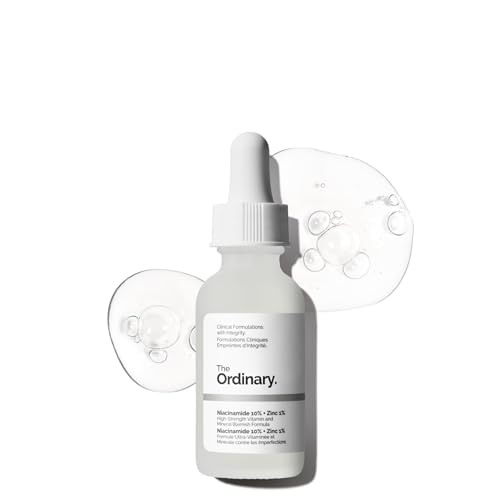
- BOOSTS BRIGHTNESS & SMOOTHNESS: Niacinamide 10% + Zinc 1% visibly improves skin radiance and smooths texture in one week.
- HYDRATING FORMULA: Lightweight water-based serum that reinforces the skin barrier and provides hydration in as little as 7 days.
- CONTAINS NIACINAMIDE & ZINC PCA: High 10% concentration of Niacinamide (Vitamin B3) and 1% Zinc PCA to help control oil in 3 days.

Last update on 2026-08-01 / Affiliate links / Images from Amazon Product Advertising API
The Ordinary Niacinamide Zinc Serum is a good choice for people with oily or blemish-prone skin. If you want smaller-looking pores and fewer breakouts, this serum can help. It has a high amount of Niacinamide—10%—which makes your skin look brighter and feel smoother. You can see these changes in about a week.
The serum also has Zinc PCA. This ingredient helps control excess oil. Most people notice less oil within three days. The formula is water-based and lightweight. It won’t feel heavy on your skin. Instead, it helps strengthen your skin’s barrier and keeps your skin hydrated over time.
Using the serum twice a day—morning and night—can give the best results. After four weeks, you might see smaller pores and less congestion. Before you start using it, do a patch test to check if your skin reacts. Avoid putting it on broken or red skin to prevent irritation.
Best For: People with oily, blemish-prone, or dull skin who want a light serum to help shrink pores and control oil.
Pros:
- Reduces oil fast, often within 3 days
- Brightens skin and smooths texture in a week
- Strengthens skin and keeps it moisturized over time
Cons:
- Can cause irritation if used on broken or sensitive skin
- Needs to be used twice a day for the best results
- High Niacinamide level might cause redness in sensitive skin
If you want clearer, smoother skin, this serum could be helpful. Just remember to patch test first and use it regularly.
The Ordinary Salicylic Acid 2% Serum for Acne
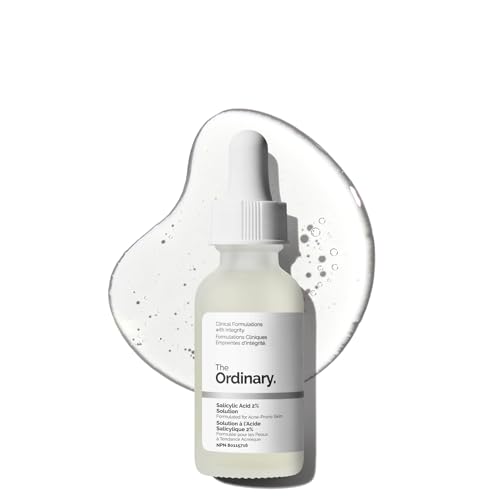
- TARGETS ACNE & CONGESTION: Salicylic Acid 2% Solution treats acne by exfoliating the skin surface and penetrating pores to control blemishes.
- HELPS SKIN HEAL: Formulated to reduce the severity of acne and allow the skin to heal for a smoother, clearer complexion.
- SUITABLE FOR TEENAGERS: Effective for mild to moderate acne in teenagers, offering a gentle yet powerful solution for acne-prone skin.
Last update on 2026-08-01 / Affiliate links / Images from Amazon Product Advertising API
The Ordinary Salicylic Acid 2% Serum helps people with mild to moderate acne. It targets blemishes and clogged pores easily. The serum works by gently exfoliating the skin’s surface and getting inside the pores. This helps reduce pimples and clear skin faster. It’s especially good if you have oily or acne-prone skin. The formula is oil-soluble, so it can go deep into oily areas and unblock pores.
To use, apply a thin layer of the serum once, twice, or three times a day after cleansing your face. Always do a patch test first to check for reactions. If your skin feels dry or irritated, cut back on how often you use it or stop using it for a while. This serum is a gentle but effective choice for managing acne.
Best for: People with mild to moderate acne. It works well if your skin gets oily or your pores are clogged.
Pros:
- Helps clear acne faster by removing dead skin and unclogging pores.
- Suitable for teenagers and adults with mild to moderate breakouts.
- Oil-based formula targets oily skin and deeply cleans pores.
Cons:
- Can cause dryness or irritation if used too much or if your skin is sensitive.
- Not ideal for severe or cystic acne, which needs stronger treatments.
- You may need to use it regularly to see good results, which could make your skin dry or sensitive over time.
CeraVe Resurfacing Retinol Serum for Post-Acne Skin

- [ POST ACNE RETINOL SERUM FOR FACE ] With encapsulated retinol, this facial serum helps skin look smoother and more even-toned. Pore minimizer helps...
- [ SKIN BARRIER REPAIR ] This retinol face serum smooths skin texture, reduces acne marks, and brightens skin. Reducing the look of post inflammatory...
- [ BRIGHTENING SERUM ] Formulated with licorice root extract helps to brighten the appearance of skin and niacinamide helps to calm skin. Fragrance...
Last update on 2026-08-01 / Affiliate links / Images from Amazon Product Advertising API
If you want smoother skin and fewer post-acne marks, try the CeraVe Resurfacing Retinol Serum. It has a gentle retinol that helps renew skin and fade the signs of acne damage. It also contains licorice root extract, which brightens dark spots and hyperpigmentation. Niacinamide calms the skin and reduces redness. Ceramides help restore the skin’s natural barrier so your skin stays healthy and strong. The serum uses MVE Technology to deliver moisture all day long. It’s lightweight, easy to apply, and won’t clog pores. This makes it good for sensitive and acne-prone skin. Plus, it’s fragrance-free, so it’s less likely to cause irritation.
People with post-acne marks or uneven skin can use this serum as part of their daily routine. It works gradually, so you need to be patient. Some users might feel some dryness or irritation at first because of the retinol. It might not fix really dark scars or stubborn hyperpigmentation on its own. You may need extra treatment for those. Overall, it’s a simple, effective serum for helping your skin look better and feel smoother.
Best for: People with post-acne marks, dark spots, or uneven skin who want a gentle, easy-to-use serum.
Pros:
- Helps fade scars, dark spots, and improves skin texture.
- Contains calming ingredients like niacinamide and ceramides.
- Light and quick to absorb. Use every day without worries about clogged pores.
Cons:
- It can take several weeks to see good results.
- Retinol might cause some dryness or irritation at first.
- Not a full treatment for deep scars or very stubborn dark spots.
Good Molecules Niacinamide Serum for Blemishes
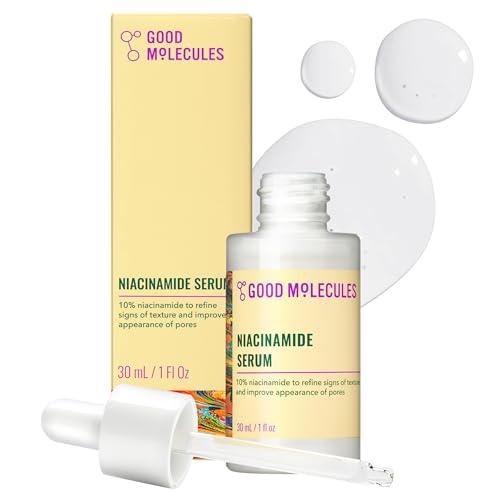
- REFINE TEXTURE & MINIMIZE PORES: 10% niacinamide serum that refines the look of skin texture and improves the appearance of enlarged pores.
- 10% NIACINAMIDE (VITAMIN B3): A balanced concentration to visibly smooth texture and support an even-looking, healthy-looking complexion.
- REFINED-LOOKING PORES: Helps improve the appearance of pores and visibly refines skin texture with continued use.
Last update on 2026-07-31 / Affiliate links / Images from Amazon Product Advertising API
Good Molecules Niacinamide Serum helps with blemishes and uneven skin. It has 10% niacinamide, which can smooth skin texture, brighten your face, and give your skin good nourishment. This serum also helps keep moisture in your skin and strengthens your skin barrier. It works well if you have acne-prone skin or clogged pores. Use it in the morning and at night. With regular use, it can help prevent breakouts, shrink large pores, and brighten dull skin. It’s gentle, so you can use it every day. It’s safe for all skin types, especially oily or combination skin. It’s fragrance-free and tested safe, but do a patch test first to be sure it suits your skin.
Best For: People with blemishes, uneven skin tone, large pores, or oily and acne-prone skin who want smoother, brighter skin.
Pros:
- Reduces blemishes and uneven skin.
- Brightens the skin and supports the skin barrier.
- Gentle and safe to use daily, especially for oily or sensitive skin.
Cons:
- Contains 10% niacinamide, which can cause irritation if your skin is very sensitive. Do a patch test first.
- Might not fade deep scars or dark spots quickly.
- Needs regular use over time to see results. It doesn’t work instantly.
This serum is a simple, gentle way to help your skin look better. Use it every day to see clearer, brighter skin.
Factors to Consider When Choosing a Face Serum for Acne Prone Skin
When choosing a face serum for acne-prone skin, it’s important to identify your specific skin concerns, such as inflammation, excess oil, or scarring, to select the most effective treatment. You should also consider ingredients that target the root causes of acne while ensuring the formula is safe for your skin type, whether oily, sensitive, or combination. Additionally, evaluating how well a serum integrates with your existing skincare routine can help prevent adverse reactions and maximize benefits.
Clarify Skin Concerns
Knowing your skin worries is a key step in picking the right face serum for acne-prone skin. When you understand what really bugs your skin—like too much oil, active breakouts, clogged pores, or dark spots—you can choose ingredients that target those issues. For example, serums with salicylic acid help clear pores and reduce swelling. Niacinamide can calm redness and help fade dark marks.
Figuring out your main concern keeps you from using products that might make things worse. It also helps you find a serum made just for your needs. When you know what your skin really needs, your skin can become clearer, smoother, and healthier. Pinpointing your skin problems makes your treatment more effective and helps your skin look better faster.
Target Acne Causes
Targeting the main causes of acne is important when choosing a face serum for acne-prone skin. Acne happens when your skin makes too much oil, which clogs pores and helps bacteria grow. One common bacteria is Propionibacterium acnes. Hormone changes can make your skin produce more oil, making breakouts worse. Dead skin cells can also block pores if they aren’t removed properly. When pores get blocked, your skin can become red and swollen. Bacteria inside the pores cause inflammation, which makes acne look worse and last longer. Inflammation can also make existing pimples more inflamed and stubborn.
When picking a serum, look for ingredients that target these problems. For example, choose serums that help control oil, gently remove dead skin, or fight bacteria. By focusing on these main causes, you can better manage and prevent acne.
Check Ingredient Safety
Choosing a face serum for acne-prone skin means being careful about the ingredients. Look for products labeled “non-comedogenic,” which means they won’t clog your pores. Pick serums made for acne-prone skin. Ingredients like niacinamide or salicylic acid are safe choices. These ingredients can help reduce redness, control oil, and prevent pimples.
Stay away from serums with a lot of alcohol, artificial fragrances, or other harsh ingredients. These can irritate your skin and make acne worse. Also, check the pH level of the serum. The best pH is between 4.5 and 6. This helps keep your skin healthy and balanced.
Always read the ingredient list. Ask if the active ingredients have been tested for safety. This can help avoid allergic reactions or sides. Picking the right serum with safe ingredients will help keep your skin clear and healthy.
Consider Skin Type
Knowing your skin type helps you pick the best face serum for acne. If your skin is oily or tends to get pimples, look for serums made to control oil and stop breakouts. Choose light, oil-free, or water-based serums. These won’t clog your pores or make acne worse. Ingredients like salicylic acid and niacinamide are good because they help clear pimples and reduce extra oil. Stay away from serums with heavy or pore-clogging ingredients. These can make acne worse. Also, pick serums that help fix the skin’s barrier. A healthy barrier keeps the skin less inflamed and helps prevent future pimples. Matching your serum to your skin type helps your skin stay healthy and gives better results over time.
Evaluate Serum Compatibility
Want to know if a serum is right for your acne-prone skin? It’s easier than you think. First, read the ingredient list. Look for ingredients like salicylic acid, niacinamide, or retinol. These help fight breakouts without clogging your pores.
Next, check if the product says “non-comedogenic.” This means it won’t cause more acne by blocking pores. Also, consider the pH level of the serum. Your skin’s natural pH is around 4.7 to 5.75. Choosing a serum with a similar pH helps keep your skin’s barrier healthy.
Be careful with ingredients like fragrances, alcohol, or strong preservatives. These can irritate your skin or make acne worse. Always review the label to see if the serum matches your needs, whether it’s oil control, calming irritation, or gentle hydration.
Assess Hydration Needs
Check how much moisture your skin needs first. Knowing this helps you pick the right face serum if you have acne-prone skin. When your skin stays moist, it keeps a strong barrier. This barrier stops too much oil from forming, which can cause more pimples. Look for ingredients like ceramides and hyaluronic acid. They help calm your skin and stop dryness or peeling from acne treatments. Using serums that dry out your skin too much can make your skin produce more oil. This can lead to more breakouts.
Make sure your serum gives your skin enough moisture. Well-hydrated skin feels smoother and can hide blemishes better over time. By checking your skin’s hydration, you can find serums that balance your needs. They will fight acne without drying you out. This keeps your skin healthy, less irritated, and looking better.
Prioritize Non-Comedogenic Formulas
When choosing a face serum for acne-prone skin, look for non-comedogenic formulas. These are made to prevent clogged pores. They usually have ingredients that don’t cause breakouts. Check labels for non-comedogenic marks or words.
Some good ingredients to find are niacinamide, salicylic acid, and ceramides. These help your skin stay healthy and clear without clogging pores. Picking serums that are labeled non-comedogenic helps reduce the chance of making acne worse.
Using these types of serums means you avoid ingredients that can cause breakouts. Focus on non-comedogenic options to keep your skin clear and healthy. They are a safe choice if you want to treat your skin gently and effectively.
Review Usage Instructions
Using a face serum for acne-prone skin can help your skin look better. But you need to use it the right way. First, check how often you should apply the serum. Some serums are for once a day, others are for twice or more. Follow the instructions so you don’t put on too much. Too much serum can cause redness or dry skin.
Next, apply a thin layer. Don’t put on a lot. A small amount is enough. Before using the serum all over your face, do a patch test. Put a small drop on your skin and wait a day. If you don’t get red or itchy, it’s safe to use.
Use the serum after you wash your face. It helps the serum absorb better. Don’t put on heavy creams or lotions immediately after unless the label says it’s okay. If your skin gets red, dry, or irritated, stop using the serum. Talk to a dermatologist or follow the advice on the packaging.
Following these steps makes using face serum safe and helps it work well for your skin.
Frequently Asked Questions
Are Face Serums Suitable for Sensitive Acne-Prone Skin?
Yes, face serums can suit sensitive, acne-prone skin if you choose formulas with gentle, non-comedogenic ingredients like hyaluronic acid or niacinamide. Always patch-test new products, and consult a dermatologist for personalized advice.
How Often Should I Use a Face Serum for Acne?
You should apply a face serum for acne twice daily, morning and night, after cleansing. Consistent use helps reduce breakouts and improves skin texture, but always follow the specific instructions for your serum and monitor your skin’s response.
Can Face Serums Prevent Future Breakouts?
Yes, face serums can help prevent future breakouts if they contain ingredients like salicylic acid, niacinamide, or retinol. Consistently using the right serum can reduce inflammation, unclog pores, and balance oil production effectively.
Do Natural Ingredients in Serums Work Better for Acne?
Natural ingredients in serums can work well for acne if they’re suitable for your skin type and contain effective, proven components like tea tree or aloe vera. However, you should also consider potential allergies and product formulations.
Are There Any Side Effects From Long-Term Serum Use?
Long-term serum use can sometimes cause side effects like irritation or breakouts if ingredients don’t suit your skin. You should patch-test new products and consult a dermatologist to minimize risks and verify they match your skin’s needs.