
If you’re dealing with yeast on your skin in 2026, choosing the right body wash makes a real difference. These three leading options target fungus specifically, each suited for different severity levels and skin types. You’ll find specific guidance on which formula fits your situation, including key ingredients like tea tree oil and tolnaftate that actually work.
PediFix FungaSoap Tea Tree Antifungal Body Wash
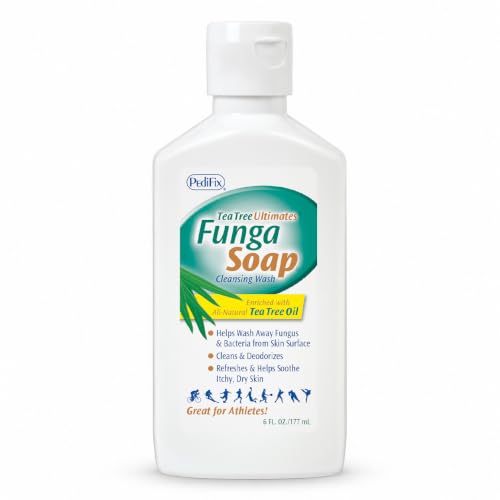
- Natural Tea Tree Oil Formula – Crafted with premium tea tree oil, known for its natural cleansing and refreshing properties—ideal for full-body...
- Gentle Yet Effective Cleanser – This botanical foot and body wash removes sweat, grime, and buildup while helping skin retain moisture and feel soft...
- Ideal for Active Lifestyles – A great post-workout wash for athletes or anyone on their feet all day—cleanses thoroughly and leaves skin lightly...
Last update on 2026-09-20 / Affiliate links / Images from Amazon Product Advertising API
PediFix FungaSoap Tea Tree Antifungal Body Wash works well for athletes or people who sweat a lot. It targets yeast on skin but does not dry you out. The tea tree oil cleans and refreshes naturally. Botanicals remove sweat and dirt without taking away moisture. You can use it after workouts or every day, even in hot and humid weather. The plant-based formula stops sweat odors without fake smells. It keeps you fresh for a longer time. This wash helps you maintain balanced, healthy skin.
Best For: Athletes or heavy sweaters who need an antifungal body wash that fights yeast without drying skin.
Pros:
- Tea tree oil cleans and refreshes naturally
- Botanicals remove sweat and grime while keeping skin moist
- Plant formula blocks sweat odors without fake scents
Cons:
- Does not lather as much as regular body washes
- Tea tree smell might be too strong for some people
- Not a cure for serious fungal infections; just supports general skin health
Botanic Hearth Tea Tree Body Wash, 16 fl oz
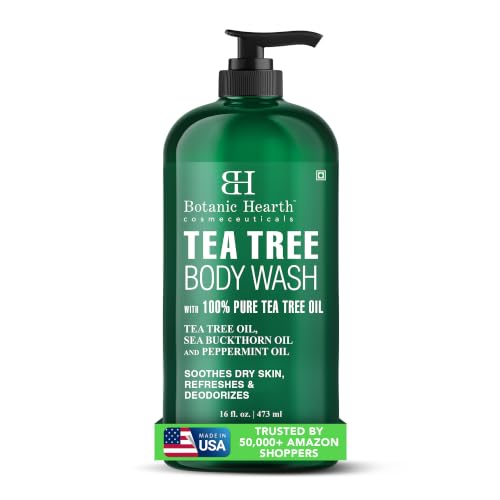
- Deep Cleansing Formula : Infused with 100% Tea Tree Oil, Peppermint Oil & Sea Buckthorn, this tea tree cleanser gently removes dirt, excess oil and...
- Refreshing Daily Body Cleanser : This refreshing body cleanser creates a rich lather that washes away sweat and buildup while helping maintain soft...
- Helps Refresh Oily & Active Skin : Perfect after workouts or long days, this body wash for body odor helps wash away odor-causing impurities while...
Last update on 2026-09-18 / Affiliate links / Images from Amazon Product Advertising API
This body wash is a good choice for men and women who want an antifungal daily cleaner. It uses 100% pure tea tree oil to fight acne, athlete’s foot, ringworm, and jock itch. The gel is all-natural and free of sulfates, parabens, and alcohol. It is also clinically tested. You can use it every day on your body and feet. It works as a moisturizer and a gentle exfoliator. It softens rough, dry skin on cracked heels or feet. It also controls odor and fungal problems. Made in the USA, it is cruelty-free and safe for sensitive skin.
Best For: People who need an antifungal body wash for acne, athlete’s foot, ringworm, or jock itch. It also helps soften dry, rough skin.
Pros:
- Has 100% pure tea tree oil to clean, fight fungus, and stop odor.
- No sulfates, parabens, or alcohol. Safe for daily use on sensitive skin.
- Works as a moisturizer and gentle exfoliator. Softens cracked heels and dry skin.
Cons:
- Can be too strong for very sensitive skin because of the tea tree oil.
- The natural tea tree smell might bother some people.
- Comes in a 16 fl oz bottle. You may need to buy it often if you use it a lot.
Antifungal Body Wash with Tea Tree Oil & Tolnaftate
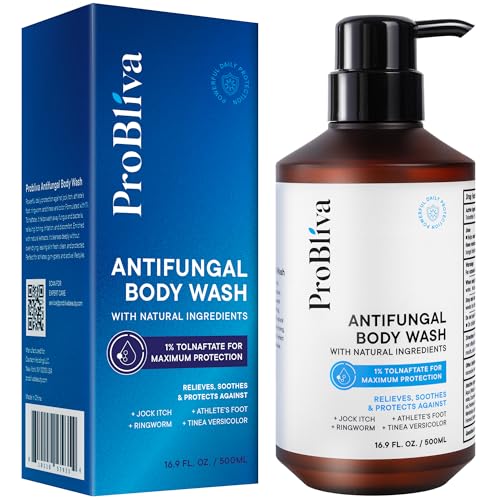
- Medicated Antifungal Relief for Skin Infections: Formulated with 1% Tolnaftate, this antifungal body wash treatment helps relieve and prevent common...
- Soothes Itchy, Dry & Irritated Skin: Infused with tea tree oil, witch hazel water, menthol, and aloe vera, our antibacterial cleanser provides a...
- Deep-Cleansing Antibacterial Wash for Face & Body: This body wash gently removes sweat, bacteria, and excess oil without drying out the skin. Use it...
Last update on 2026-09-15 / Affiliate links / Images from Amazon Product Advertising API
Antifungal Body Wash with Tea Tree Oil & Tolnaftate
This body wash helps athletes and active people who get fungal infections. It has 1% Tolnaftate, a strong antifungal ingredient. It also has tea tree oil and aloe vera. These ingredients stop ringworm, jock itch, and athlete’s foot. They also soothe your skin.
This wash cleans deep. It removes sweat and odor. It does not dry out sensitive skin. Use it every day on your feet, groin, or back. It controls body odor and stops fungal outbreaks. It has no parabens or sulfates. This makes it safe to use after workouts. You stay fresh and fungus-free.
Best For: Athletes and active people who get fungal infections like ringworm, jock itch, and athlete’s foot.
Pros:
- Mixes 1% Tolnaftate with tea tree oil and aloe vera. This treats fungus and soothes skin.
- Cleans deep. Removes sweat, bacteria, and odor. Does not dry sensitive skin.
- Has no parabens or sulfates. Safe for daily use on feet, groin, and back.
Cons:
- May not work for bad or long-term fungal infections. Those need a doctor’s medicine.
- Tea tree oil can irritate skin or cause allergies in some people.
- Do not use inside your body or on open wounds. This limits where you can put it.
Factors to Consider When Choosing Body Wash for Yeast on Skin
When selecting a body wash for yeast on your skin, you’ll want to prioritize active ingredients like ketoconazole or clotrimazole, as they directly target the fungus. You also need to check your skin type compatibility, since a formula that’s too harsh can worsen irritation, while a gentle, moisturizing one helps maintain your skin’s barrier. Don’t forget to evaluate whether you need an antifungal wash over an antibacterial one, as antibacterial products can disrupt your skin’s natural balance and worsen yeast overgrowth.
Active Ingredients Matter
Active Ingredients Matter
Picking the right body wash for yeast on skin starts with knowing how active ingredients work. Antifungal washes often use azole compounds like ketoconazole or allylamines like terbinafine. Azoles stop fungal growth but do not kill the cells. Allylamines can kill yeast cells at higher strengths.
You need to use the wash every day for at least two weeks. Look for proven active ingredient percentages like 1% clotrimazole or 2% miconazole. Over-the-counter options often have lower levels, like 1% tolnaftate. These may not work on severe or stubborn infections. Tea tree oil works in lab tests against Candida, but it is not as strong as medical treatments. Stick with proven ingredients for reliable results.
Skin Type Compatibility
Your skin type matters when picking a body wash for a yeast infection.
Oily or combination skin needs a wash that controls extra moisture and oil. Yeast grows in warm, damp places.
Dry or sensitive skin should avoid strong cleansers like sulfates and alcohol. These products damage your skin’s protective layer and make irritation worse.
Choose a body wash with a pH between 4.5 and 6.0. This keeps your skin’s natural barrier healthy and stops yeast from sticking.
Pick non-comedogenic products. They don’t clog pores, which helps prevent other infections.
Always use fragrance-free and dye-free washes. Added chemicals upset your skin’s natural bacteria and can cause rashes.
Matching the wash to your skin type keeps yeast under control without making things worse.
Antifungal vs. Antibacterial
Antibacterial washes kill bacteria. They can also hurt your skin’s natural balance. This balance keeps yeast in check. When you remove too many good bacteria, yeast can grow out of control.
Antifungal body washes work differently. They directly attack the yeast cell wall. For infections like Candida, you need special ingredients. Look for 1% tolnaftate or clotrimazole on the label.
Antibacterial soaps cannot kill yeast. Yeast has a different cell structure. Using antibacterial washes will not fix a fungal infection. In fact, overusing them can make yeast overgrowth worse.
Antifungal washes treat the root cause. They stop yeast from growing. They do not just hide the smell or treat secondary bacteria. Doctors recommend antifungal agents for candidiasis. Pick a wash with proven antifungal power. Do not rely on antibacterial products. They do not work on yeast. They can make your problem worse over time.
Moisture and Hydration
Body wash has moisture. That moisture can affect yeast growth. You must balance hydration carefully.
Yeast likes damp places. If a body wash leaves too much moisture, yeast can grow. Ingredients like glycerin or hyaluronic acid trap water on your skin. This can make a yeast infection worse if you do not dry off completely.
Pick a body wash with low humectants. Humectants pull in water. Less humectants mean less trapped water. This helps your skin’s natural barrier stay strong. It also lowers the risk of skin breakdown from moisture.
Over-moisturizing washes leave a coating. This coating can change your skin’s pH balance. When pH is off, your skin defends itself less against yeast.
Balanced hydration helps your skin heal. It stops dryness without leaving a wet layer. Choose a wash that hydrates just enough to prevent irritation. Stop before your skin feels damp and sticky.
Odor Control Needs
Yeast overgrowth can cause a smell. This happens because of waste products from the yeast. So, picking the right body wash is important for your daily shower.
Look for a body wash that fights odor. You want a formula that kills odor-causing bacteria and yeast. Avoid washes that just cover up smells with fake fragrances.
Natural antifungal ingredients help. Tea tree oil is a good example. It can neutralize the yeast smell. It also removes sweat and buildup. This is key in warm, humid places where yeast grows best.
A good odor-control body wash keeps you fresh all day. You will not need as many extra deodorants. But here is the catch. If you still smell bad after washing regularly, you may have a yeast infection. In that case, you need a medicated antifungal wash. A cosmetic wash will not fix the root problem. It only hides the symptom.
Daily Use Safety
Your Antifungal Body Wash: Safe Daily Use
You can use your antifungal body wash every day. The key is picking the right one. A wash with 1% tolnaftate works well and does not need a prescription. It stops fungus from coming back.
Do you like natural ingredients? Tea tree oil works, too. But keep the amount low. Use less than 5% tea tree oil. Higher amounts can hurt your skin.
For daily use on your groin, feet, or underarms, pick a sulfate-free and paraben-free wash. These washes do not strip your skin’s natural oils. They keep your skin barrier strong. Always rinse your skin well after washing. Leftover product can make irritation worse.
Do you have sensitive skin? Choose a wash with aloe vera or witch hazel. These calm your skin. They still fight fungus. This makes your daily routine safer and more comfortable.
Targeted Infection Relief
Dealing with a yeast infection is no fun. You need a body wash that helps directly. Choose one with 1% Tolnaftate. This is an FDA-approved ingredient that fights the fungus. It targets the source of the problem, not just surface dirt. The wash also has tea tree oil. This natural ingredient adds extra antifungal power.
Use the wash on the affected areas. Leave it on for a few minutes. Follow the instructions on the bottle. This gives the medicine time to work. Clinical tests show these washes reduce itching, redness, and pain from surface fungal infections. Pick a product with these ingredients. Your body wash will clean and fight the infection at the same time.
Natural vs. Medicated Formulas
Choosing between natural and medicated body washes for yeast on skin comes down to how bad your symptoms are.
Natural body washes use tea tree oil. The active part, terpinen-4-ol, gives mild antifungal power. These washes do not have strong enough medicine for serious infections. They add soothing ingredients like aloe vera and witch hazel. These calm the skin without harsh chemicals. Natural washes work best for preventing problems or for very mild skin changes.
Medicated body washes contain tolnaftate or clotrimazole. The FDA approves these drugs for direct treatment of fungal infections like tinea and candidiasis. These washes give faster and more reliable relief for active or repeated yeast infections. Using them for too long can cause skin sensitivity in some people.
If a doctor diagnosed you with a yeast infection, or if your symptoms keep coming back, pick a medicated wash. For simple upkeep or light symptoms, a natural wash works fine.
Frequently Asked Questions
Can I Use These Body Washes on My Face?
You can’t use these body washes on your face. They’re too harsh for delicate facial skin. Stick to a gentle, antifungal face wash instead. Don’t risk irritation or worsening your condition.
How Often Should I Use an Antifungal Body Wash?
You’ll typically use an antifungal body wash once daily, but always follow your doctor’s instructions. Don’t overdo it—using it more often can dry your skin out or worsen irritation.
Will These Body Washes Prevent Future Yeast Infections?
You’re lowering your risk, but you can’t fully prevent future yeast infections. They help disrupt fungal growth, not sterilize you. Consistency with your wash and good hygiene habits truly matters most.
Can I Use These During Pregnancy or While Nursing?
You’ll need your doctor’s okay first. These washes aren’t automatically safe during pregnancy or nursing. Don’t assume they’re harmless; consult your healthcare provider before use.
Do These Body Washes Expire or Lose Effectiveness Over Time?
Yes, they do expire. You’ll notice they lose effectiveness and their antifungal properties degrade. Always check the bottle’s expiration date—using old washes means you’re not getting the full protection you need.